Paediatric OT in Bella Vista, across the Hills District and via telehealth

Call Kate 0408 025 507

DMI Therapy in Sydney

Dynamic Movement Intervention (DMI) for children with gross motor delay, cerebral palsy and hypotonia.

Kate has training in Dynamic Movement Intervention.

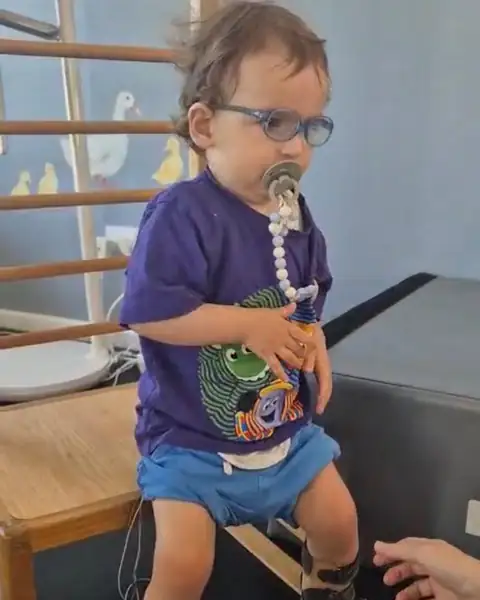
Boy climbing a wooden ladder frame with therapist support

What is DMI therapy?

DMI is a comprehensive intervention that incorporates current research on neurorehabilitation, technologies, and methodologies.

This therapeutic technique is used by physical and occupational therapists to treat children with gross motor impairments by improving and/or provoking a desired action with great emphasis on alignment, sensory integration, and function. The goal is to promote progress toward developmental milestones.

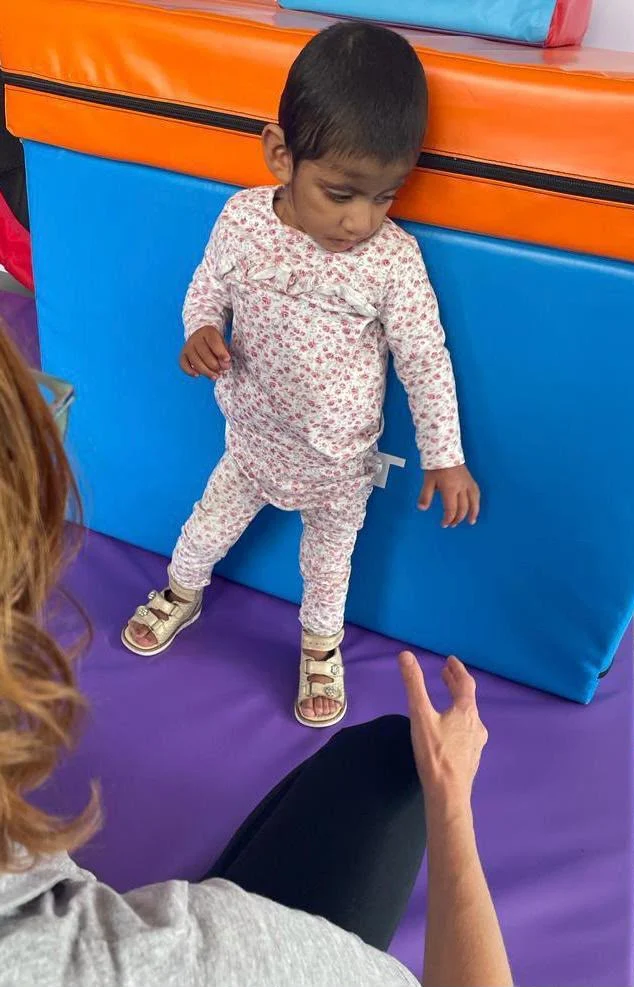
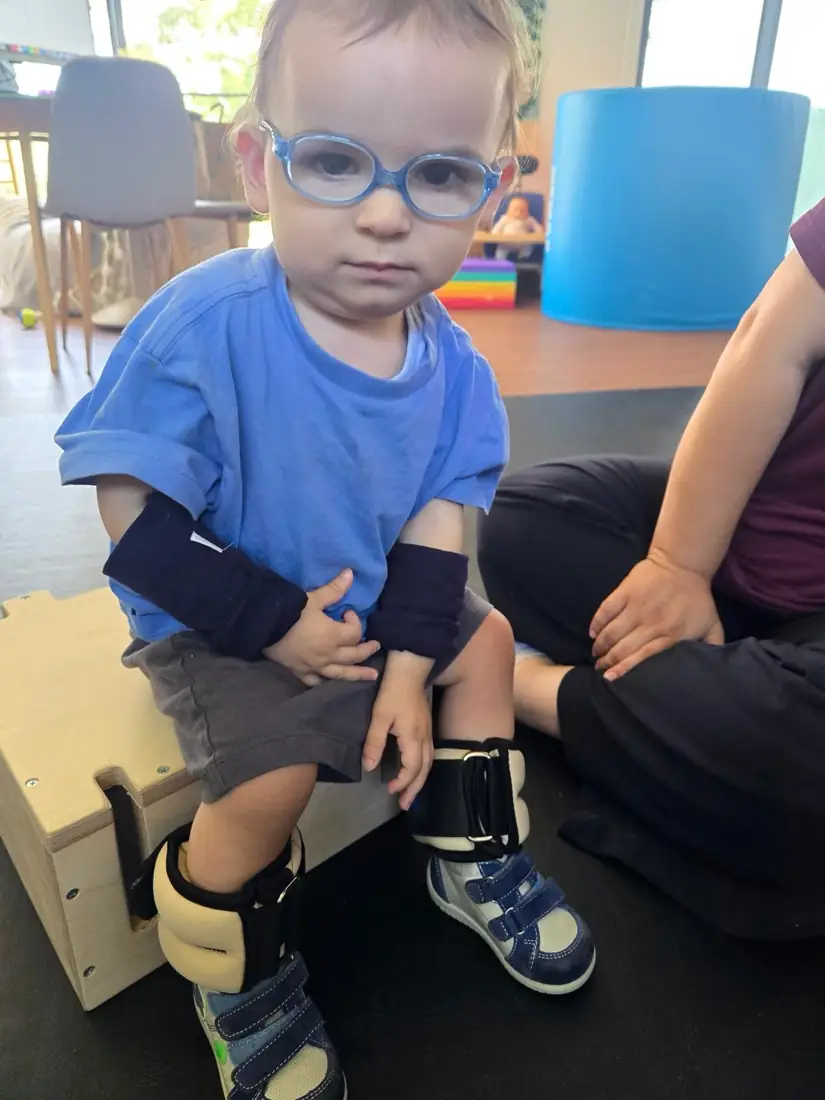
Toddler standing against a soft play block while her therapist reaches out a hand

Who is DMI therapy for?

Regardless of level of cognition and extent of neurological deficit or damage, affected children benefit from DMI motor intervention as it pertains to stimulating neuroplasticity in the developing brain. After a brief assessment, the therapist will identify areas of potential growth, which will guide treatment.

The therapist will manipulate the child to encourage novel movements in a more typical pattern. Exercises are repeated until these movements become automatic, which results in improved balance and function. Exercises are conducted on a tabletop or the floor based on the child’s abilities. Exercises involve movement against gravity, progressively more challenging support, provocation of desired movements, postural and strength challenges.
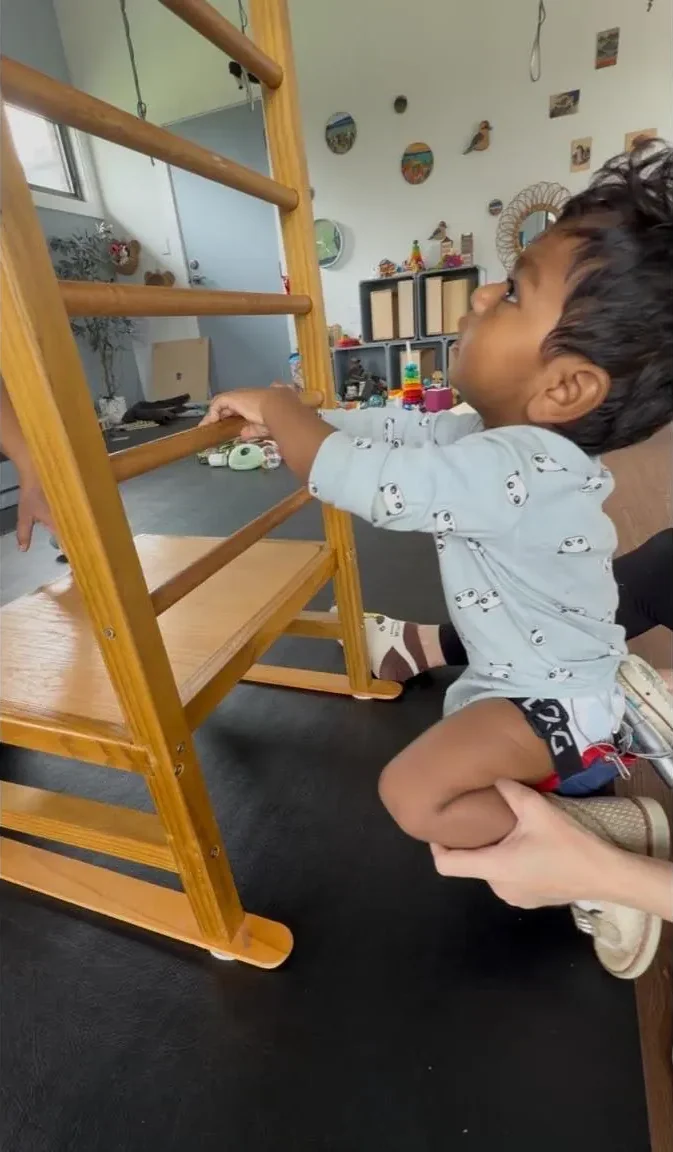
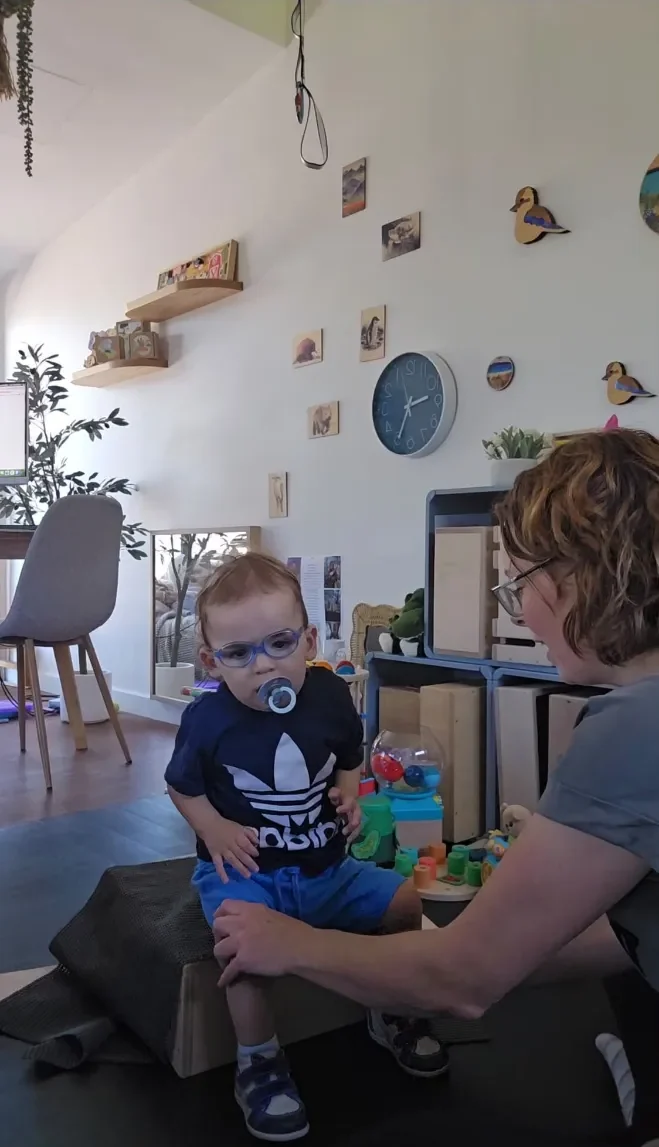
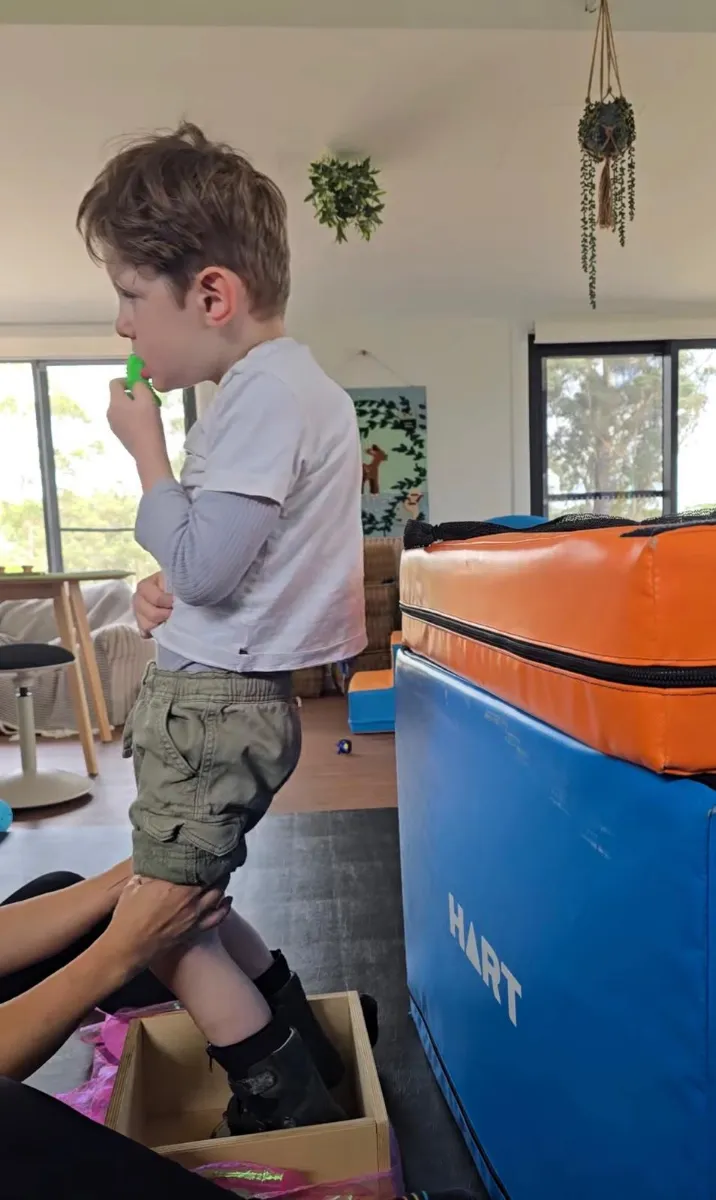
Young child standing with support from his therapist

What DMI therapy focuses on

Gross motor skills and gradual progression

Continuously increasing the challenge to encourage the child to respond with greater independence.

Balance

Improving postural control is a common thread through most exercises.

Functional movements

Improving actions and skills that lead to attaining milestones such as rolling, sitting, standing, walking.

DMI is one of the approaches Kate uses for children with cerebral palsy, alongside CME therapy.

Talk to Kate about your child

A few details are enough to start. Kate will give you a call (or email, if that suits you better) to talk through assessment and next steps.

We only use your details to respond to your enquiry. See our privacy policy.