Paediatric OT in Bella Vista, across the Hills District and via telehealth
Call Kate 0408 025 507
Therapy is tailored to where your child is at, right now. Through enjoyable play and meaningful interactions, we work on the foundations for connection, communication, emotional development and participation in everyday life.
DIR/Floortime, the Early Start Denver Model (ESDM) and a Sensory Integration approach are the basis of our therapy programs for kids with ASD.
At Quickstepz Paediatric Therapy, we use the DIR/Floortime model as a foundation for understanding and supporting children and their families. We take time to understand your child’s developmental level, their individual sensory and movement needs, and the relationships that are important to them.
DIR stands for Developmental, Individual Differences and Relationship-Based. It provides a framework for understanding how your child develops, how they experience the world, and how relationships can support their learning.
Floortime brings this understanding into our interactions with your child. We follow their interests, join their play and gently build on what they are doing. Their enjoyment and curiosity give us opportunities to extend an interaction, introduce a new idea or work through a small challenge together.
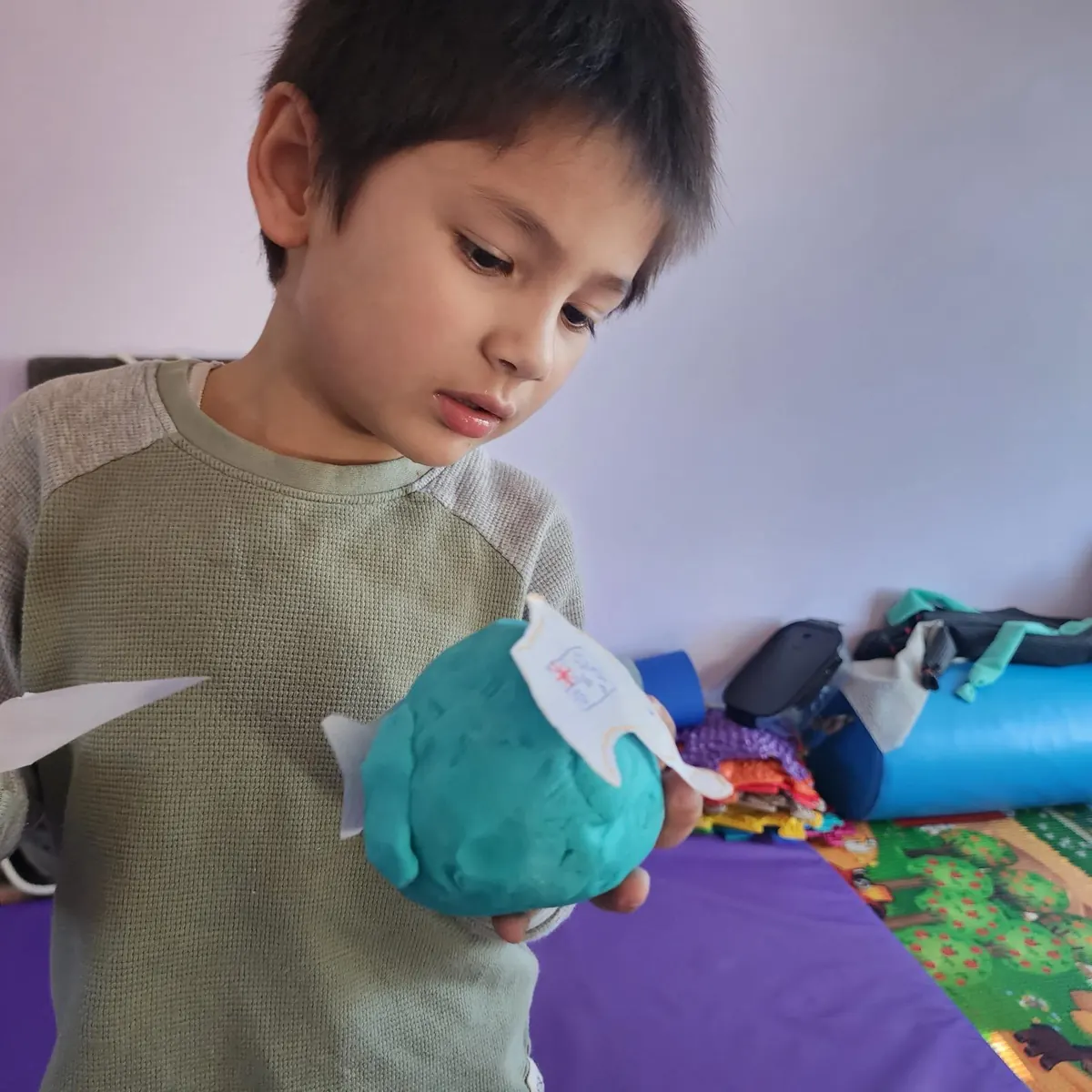
Understanding your child’s developmental level helps us choose the right starting point for therapy. We consider how they regulate, engage, communicate and play, alongside their age.
The early foundations we support include:
These capacities develop through many shared experiences. For one child, our starting point may be finding a game they enjoy playing with another person. For another, it may be helping them develop a pretend-play idea, negotiate with a friend or manage a change in the play.
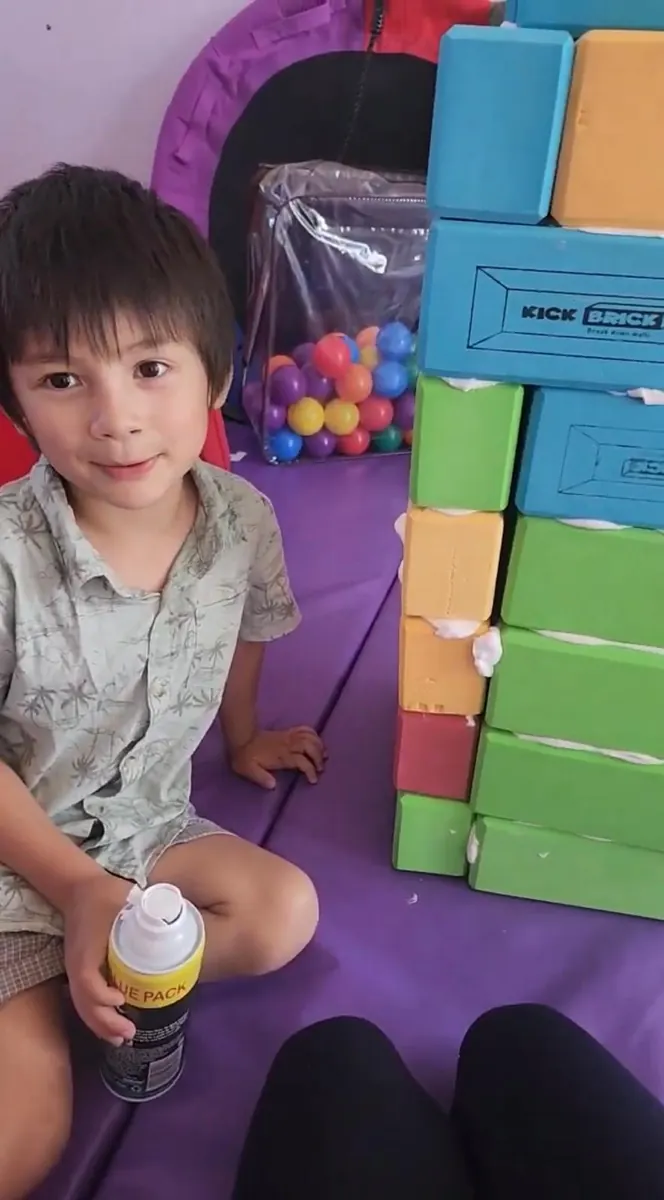
Relationships are central to this approach. We want your child to experience the enjoyment of being with another person and discover that their actions, ideas and communication can influence what happens next.
We support children to initiate interactions, express themselves and respond to others in ways that are meaningful to them. Communication may involve movement, facial expression, gestures, sounds, words or a communication system.
Parents are an integral part of therapy. We work alongside you to recognise your child’s cues, understand what draws them into an interaction and explore ways to keep the connection going. These opportunities can happen during play, bath time, dressing, meals and other moments you already share.
For parents: the Profectum Parent Toolbox
A valuable parent training course about supporting your child’s development through relationships and everyday interactions. It includes webcasts, handouts and workbooks you can work through at your own pace. Registration and access are free for families, and it’s a great resource even if your child doesn’t attend therapy with us.
Find it at: profectum.org/course/profectum-parent-toolbox
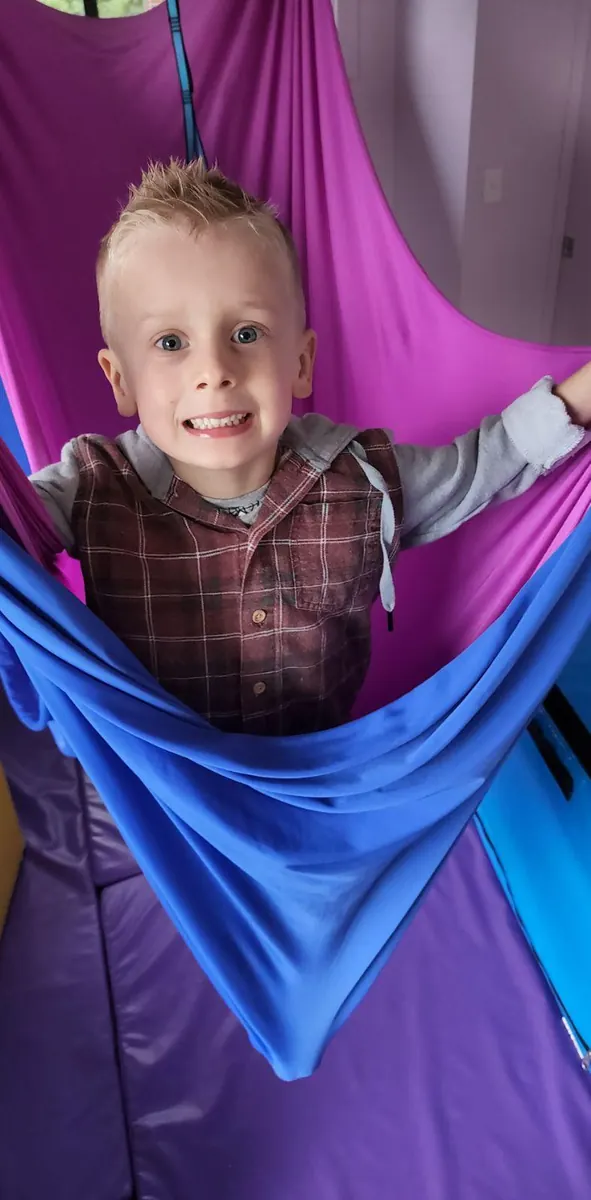
Some children benefit from sessions with a sibling or a carefully matched peer. These sessions provide opportunities to develop shared play and relationships with another child.
The therapist supports the children in the moment, helping them notice and respond to one another, communicate their ideas and find ways to keep playing together. The children’s interests help guide the direction of the play, with support for regulation and successful interaction as needed.
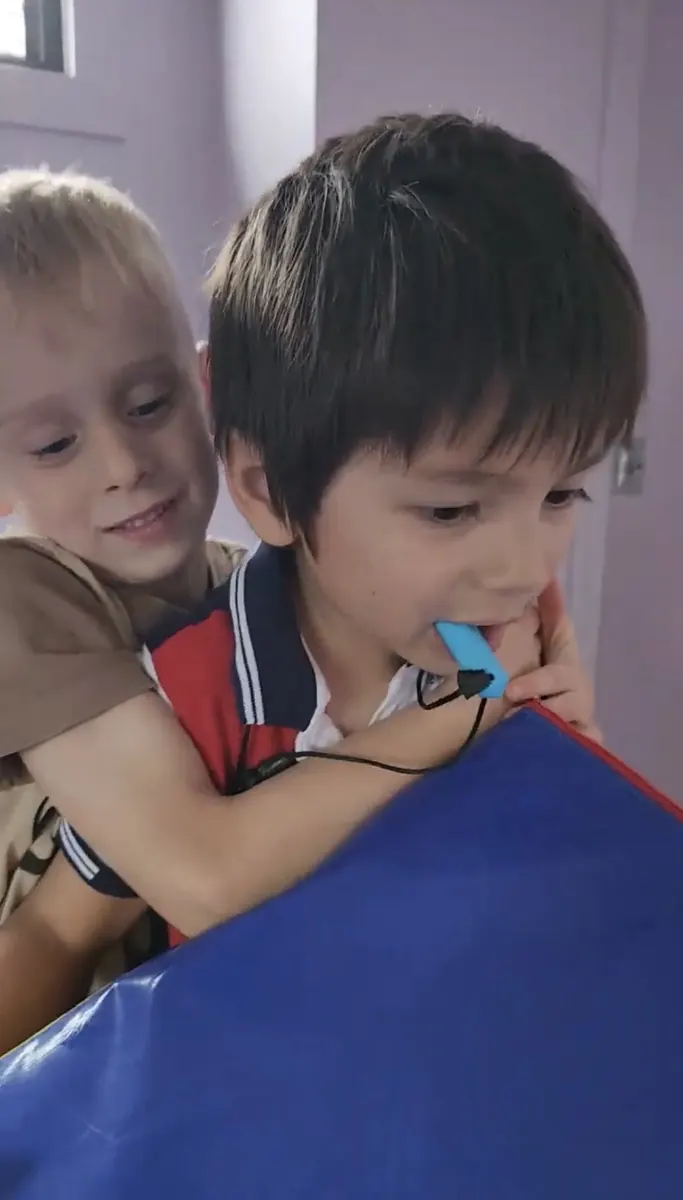
The “I” in DIR refers to your child’s individual differences. This includes their sensory processing, regulation, movement and motor planning, as well as their own interests and ways of communicating. Understanding these differences helps us recognise what motivates your child, what overwhelms them and what support makes participation more achievable.
Sensory processing describes how the nervous system takes in, organises and responds to information from the body and the environment. This includes touch, movement, body awareness, sight, sound, smell and taste, as well as information about balance and our position in relation to gravity.
These sensations are part of everything a child does, from holding a pencil and climbing playground equipment to eating, getting dressed and joining a busy preschool group.
Children can experience the same activity very differently. Some may find noise, touch or movement overwhelming. Others may notice certain sensations less readily or seek additional input to feel comfortable and engaged. A child can have a combination of these responses, and their needs may change with tiredness, stress or the demands around them.
You might notice that your child:
Your child’s individual profile also includes how they organise and control their movements. Some children find it difficult to maintain a comfortable, stable position for play or tabletop activities. Others need support to learn unfamiliar movements or organise a sequence of actions.
Motor planning involves coming up with an idea, working out how to move, carrying out the action and adjusting it when needed. It is involved in activities such as learning a new playground game, using scissors, getting dressed or riding a bike.
Through assessment and play-based observation, we explore how sensory and movement needs may be affecting your child’s participation. This helps us adapt the activity and choose the right level of support.
Therapy includes meaningful play and movement experiences chosen around your child’s needs and goals. We also work with parents, caregivers and educators to make everyday activities more accessible.
Support may include adapting the environment, changing how an activity is presented, providing suitable movement opportunities or developing a practical home program. Where appropriate, individual programs may also draw on approaches such as Therapeutic Listening, sensory strategies or regulation resources.
The Early Start Denver Model is an early intervention approach for young children with autism. It combines developmental and relationship-based play with structured teaching strategies, creating learning opportunities within enjoyable activities and everyday routines.
ESDM uses individual goals and regular review of progress to guide support across developmental areas. These may include communication, social interaction, play, thinking, movement and self-care.
Learning happens through shared activities that interest the child. A favourite game may provide opportunities to practise requesting, imitating an action or taking turns. A daily routine may offer opportunities to develop understanding, make choices or practise a step towards independence.
Parents play an important role. Coaching helps families recognise learning opportunities and use responsive strategies during the activities they already do together.
At Quickstepz, our OTs with ESDM training draw on these strategies within your child’s individual therapy program. We consider their developmental needs, sensory profile and interests, and work with you to choose practical, achievable next steps.
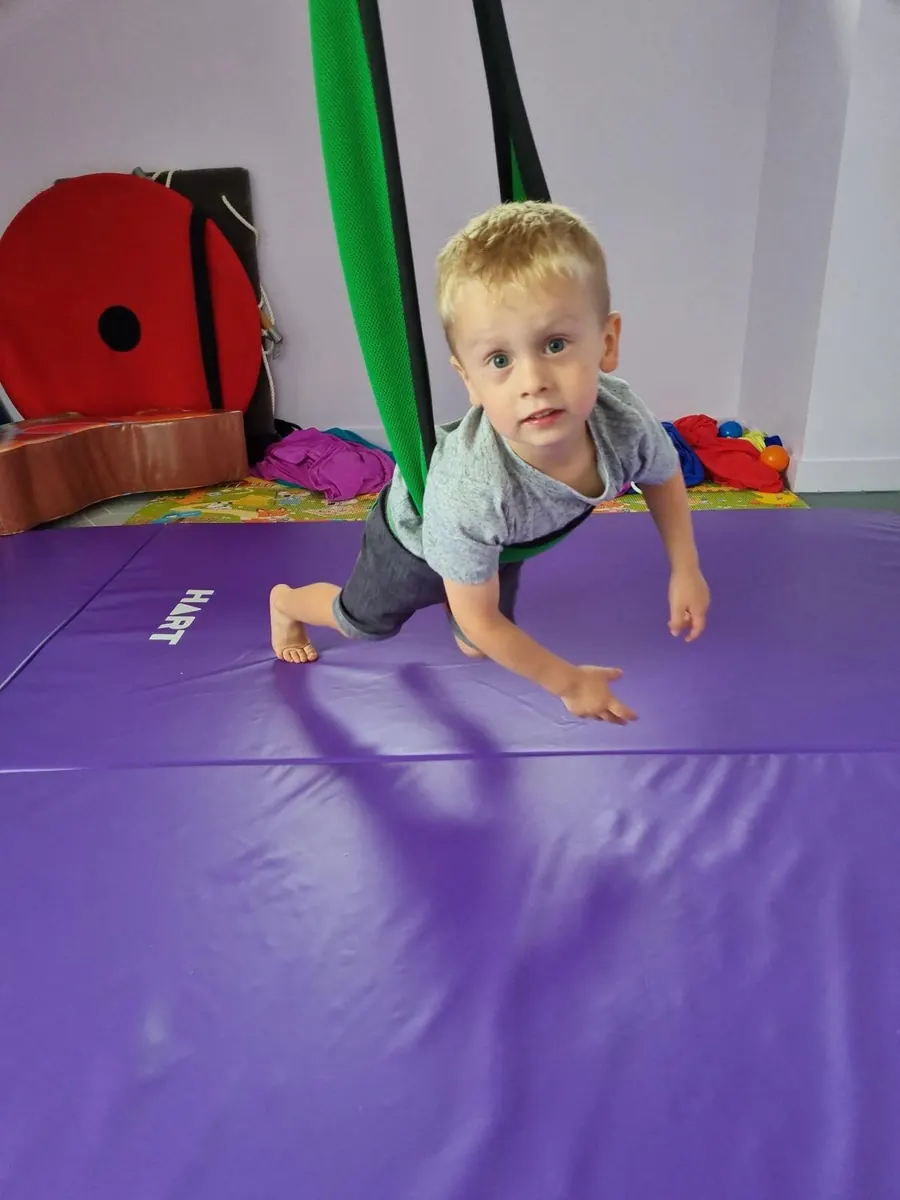
A few details are enough to start. Kate will give you a call (or email, if that suits you better) to talk through assessment and next steps.
Phone: 0408 025 507
Email: kate@quickstepz.com.au