Paediatric OT in Bella Vista, across the Hills District and via telehealth
Call Kate 0408 025 507
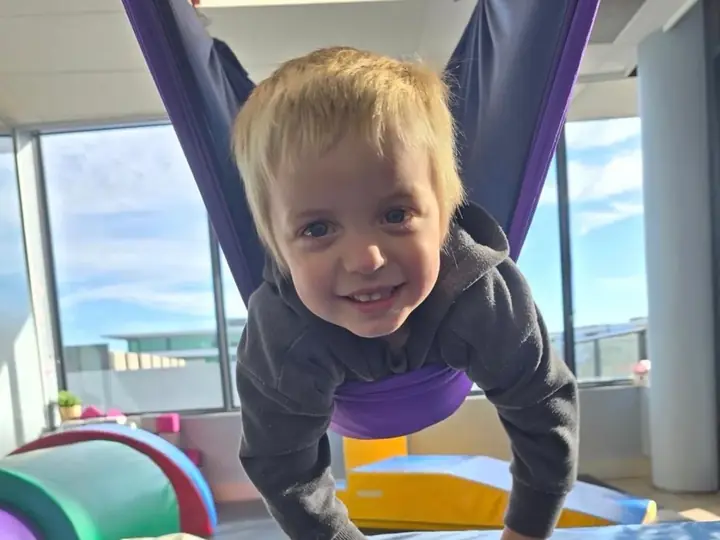
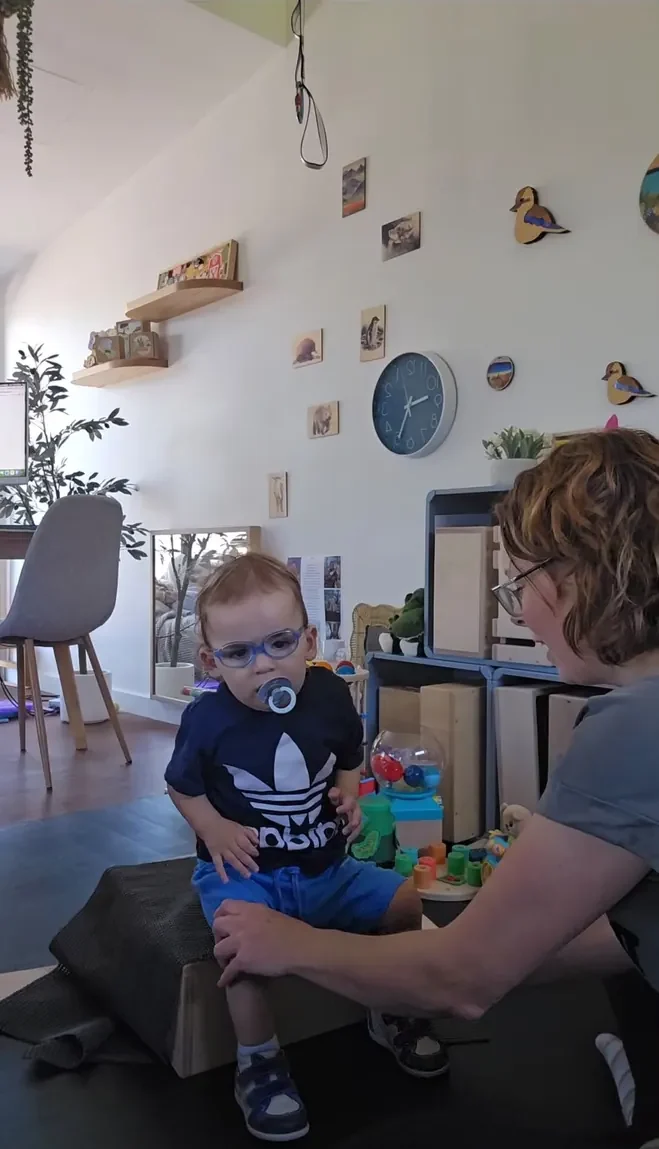
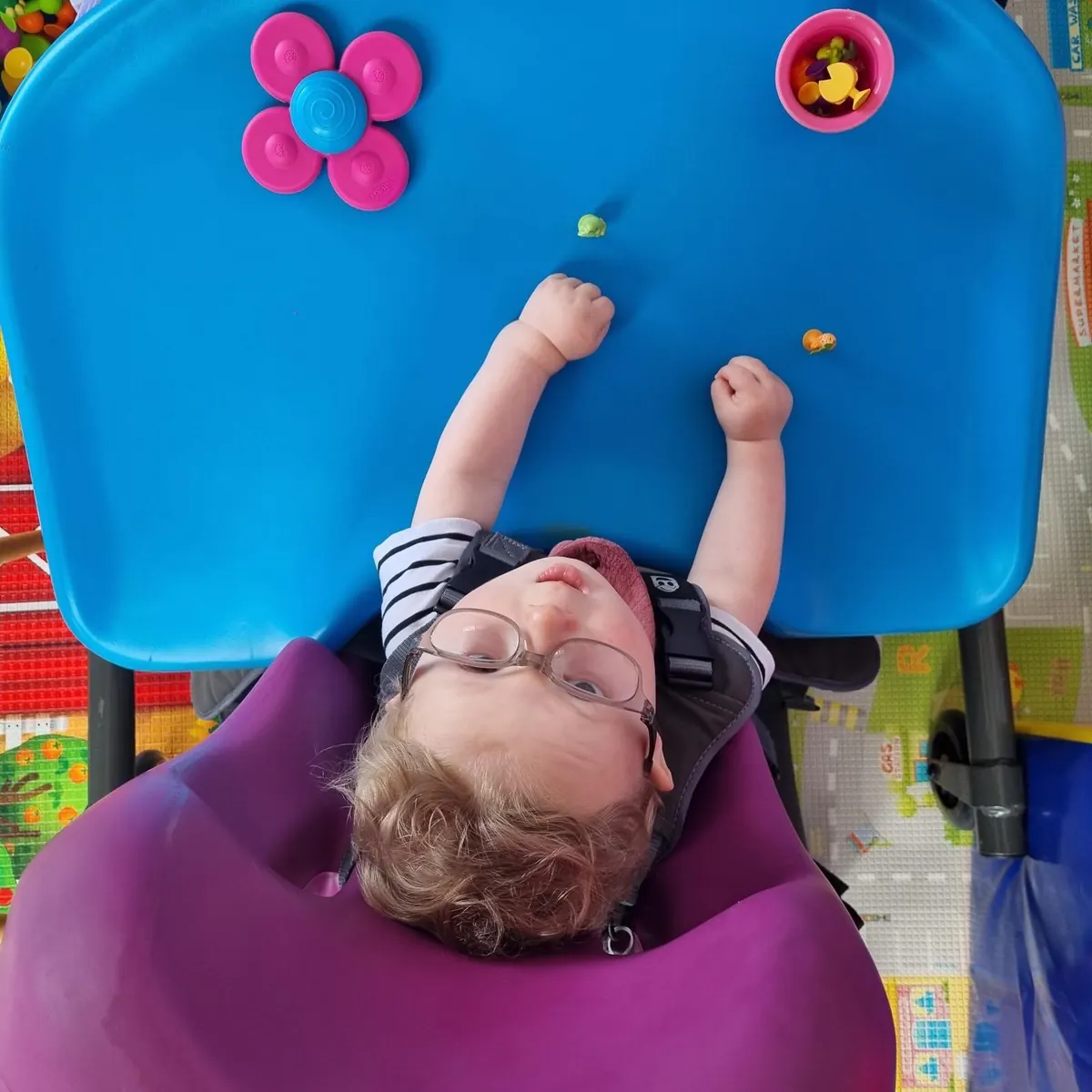
Every child’s program is different and is built around their abilities, interests and goals. We have a range of approaches, and your therapist will guide you towards what is best for your child. Sessions run in clinic at Bella Vista and Castle Hill, at home or preschool, or by telehealth.
Ways to access In clinic Mobile, home and preschool Telehealth
Showing 9 therapies
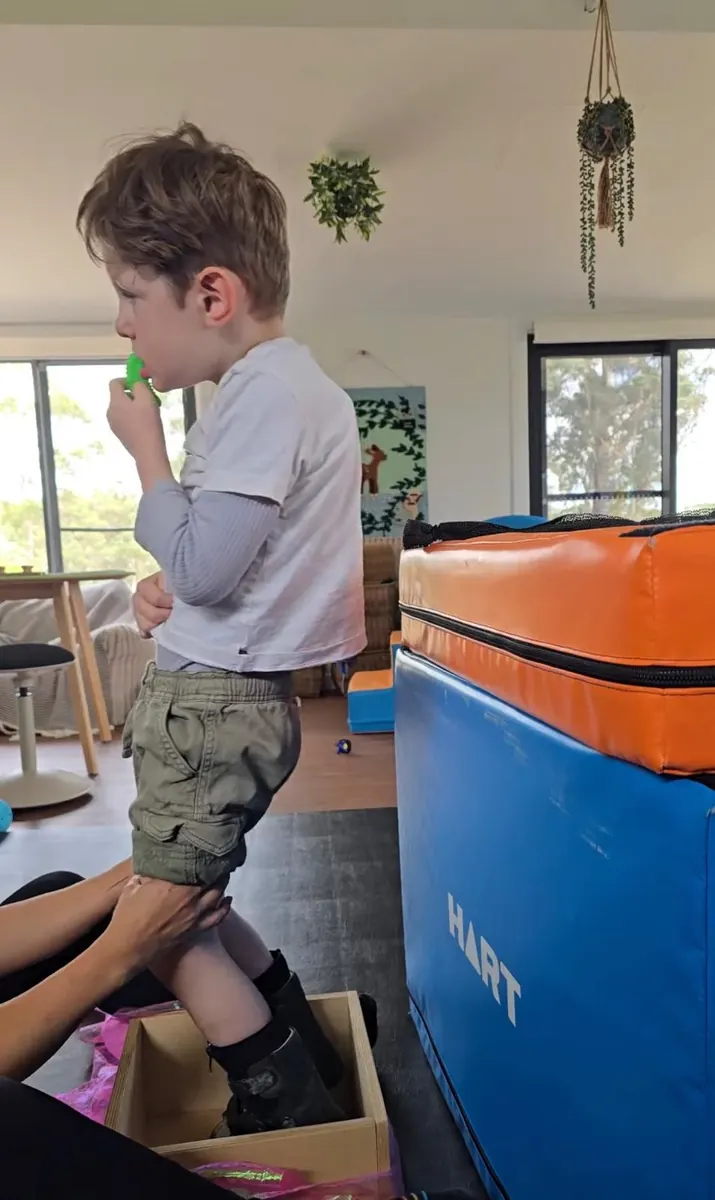
Cuevas Medek Exercises to build posture, balance and motor control, including intensives.
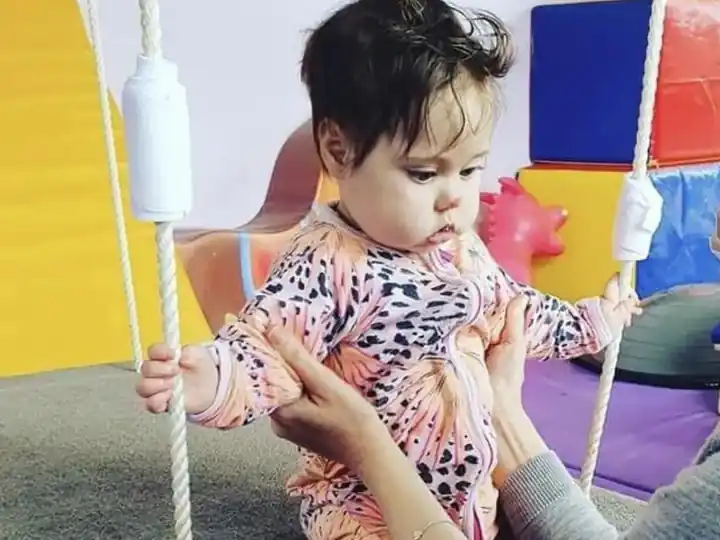
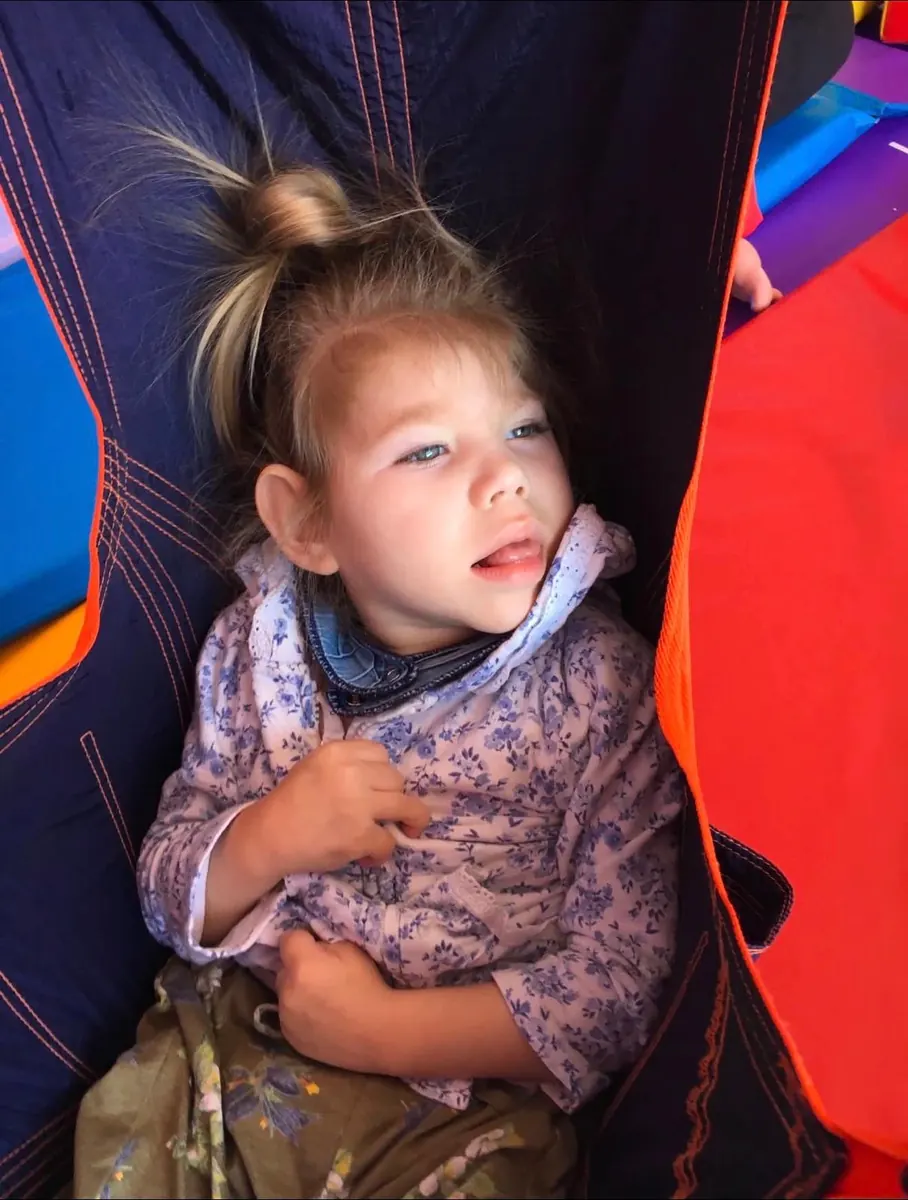
Dynamic Movement Intervention for children with gross motor delay, cerebral palsy and hypotonia.
CME, DMI, Bimanual Hand Therapy, CIMT, NISE-stim and LusioMate, tailored to your child.
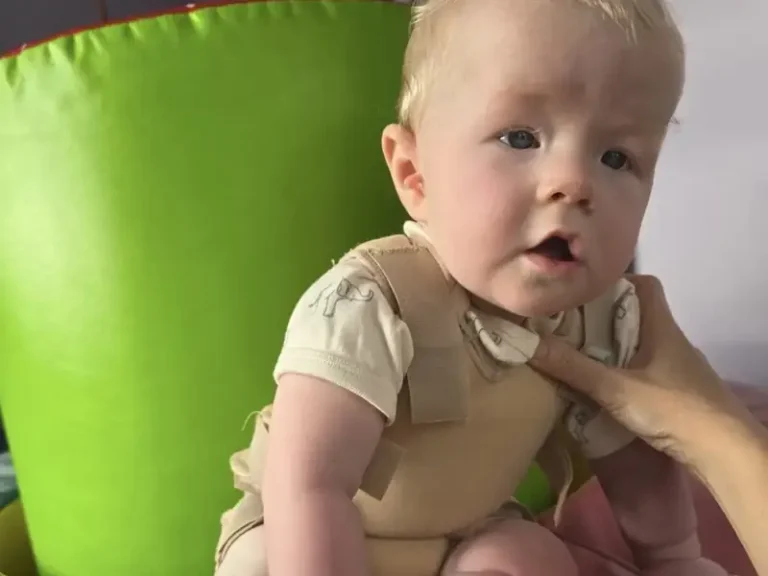
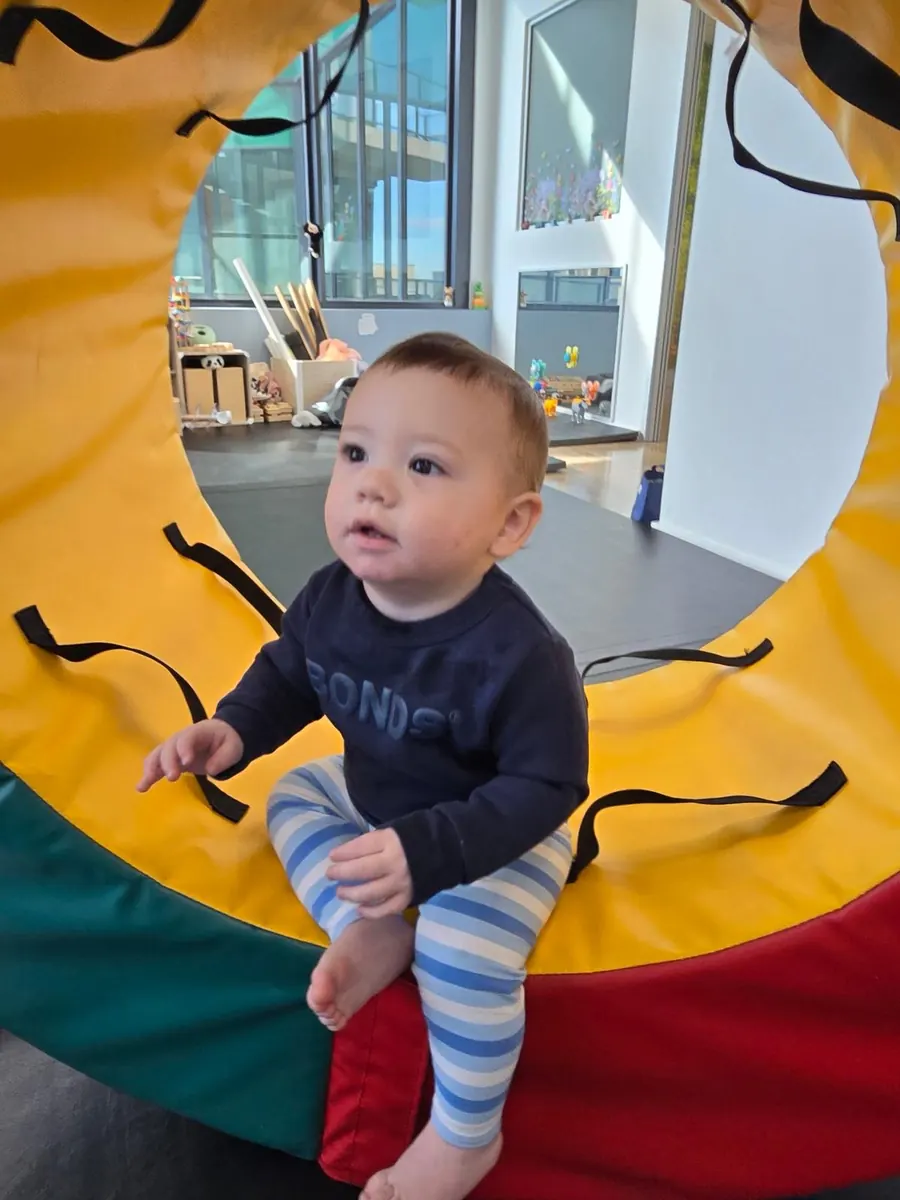
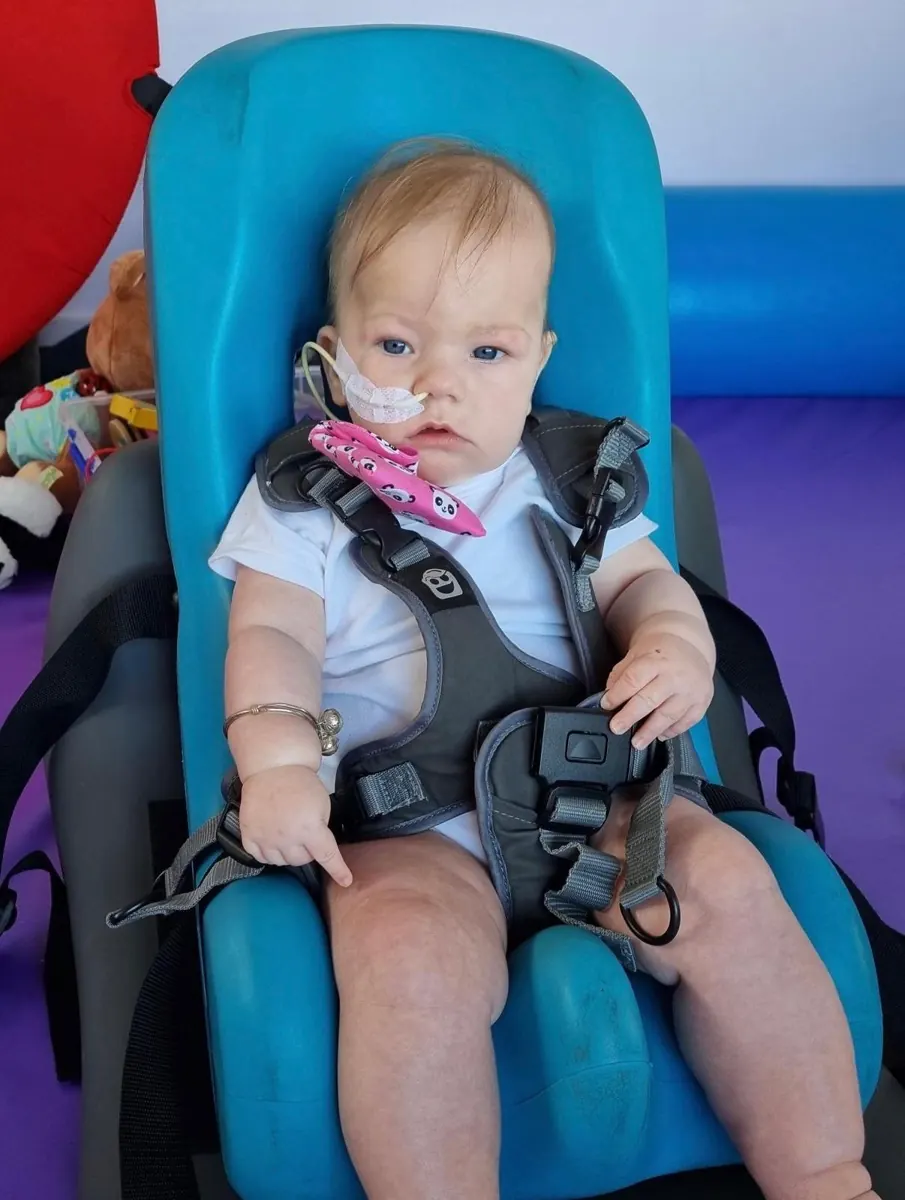
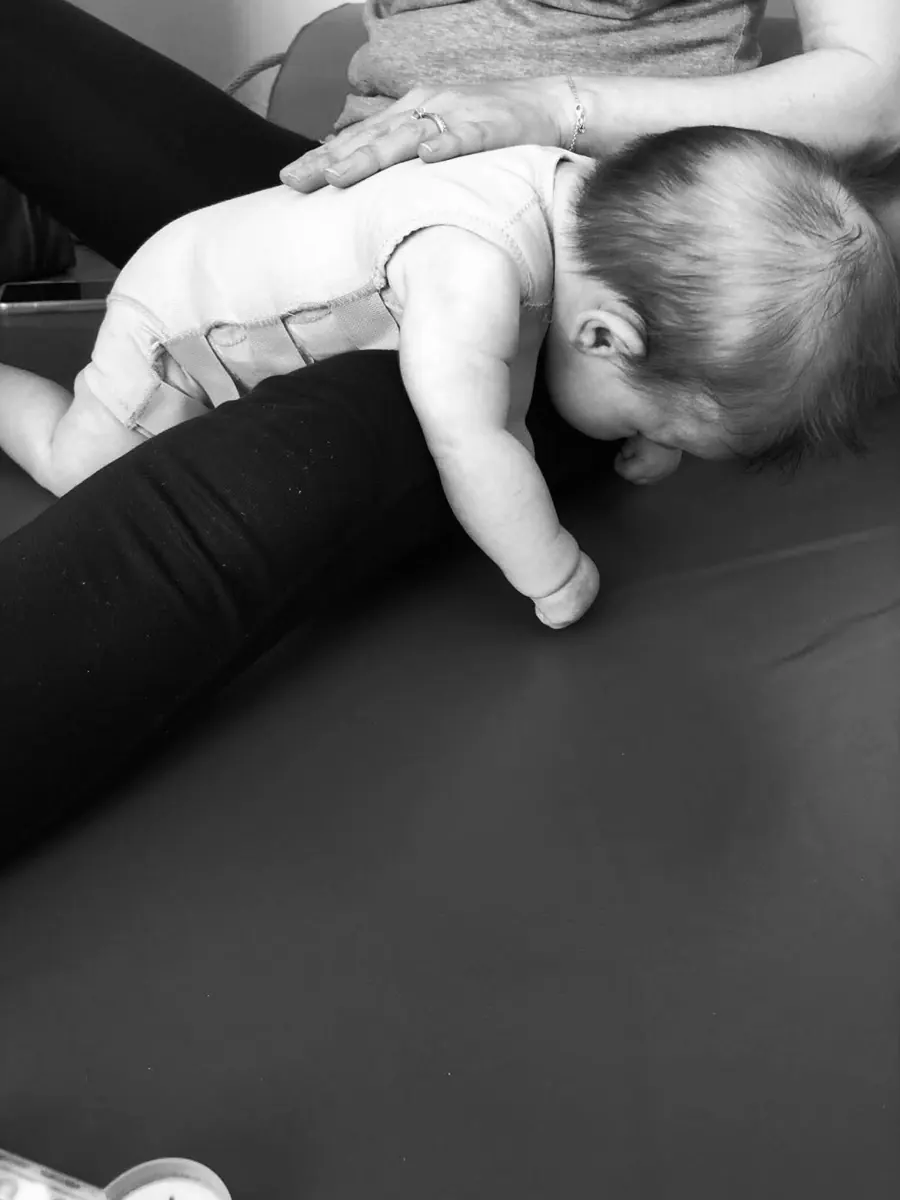
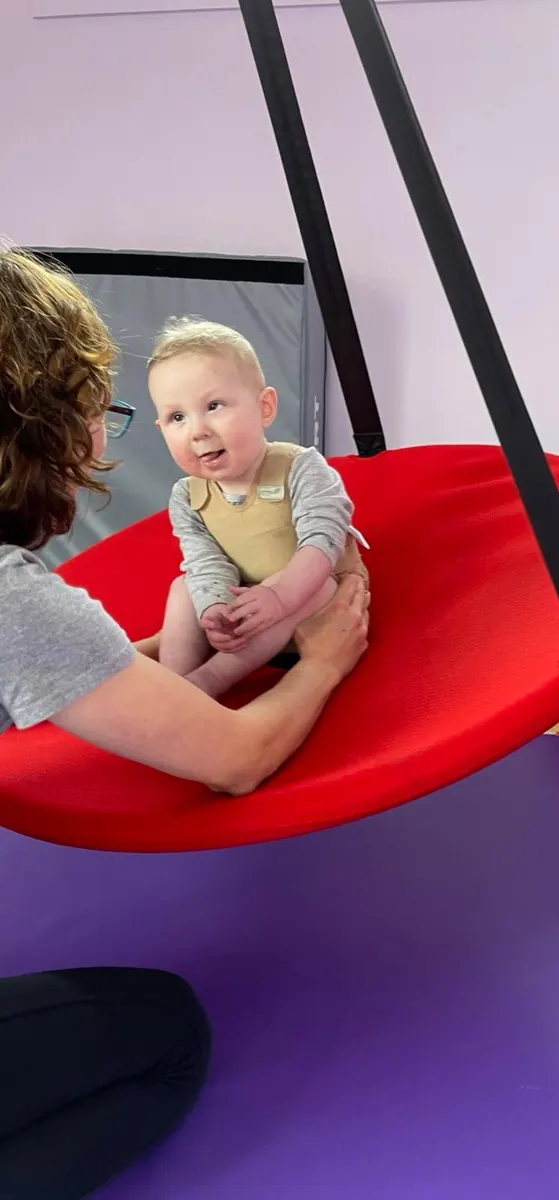
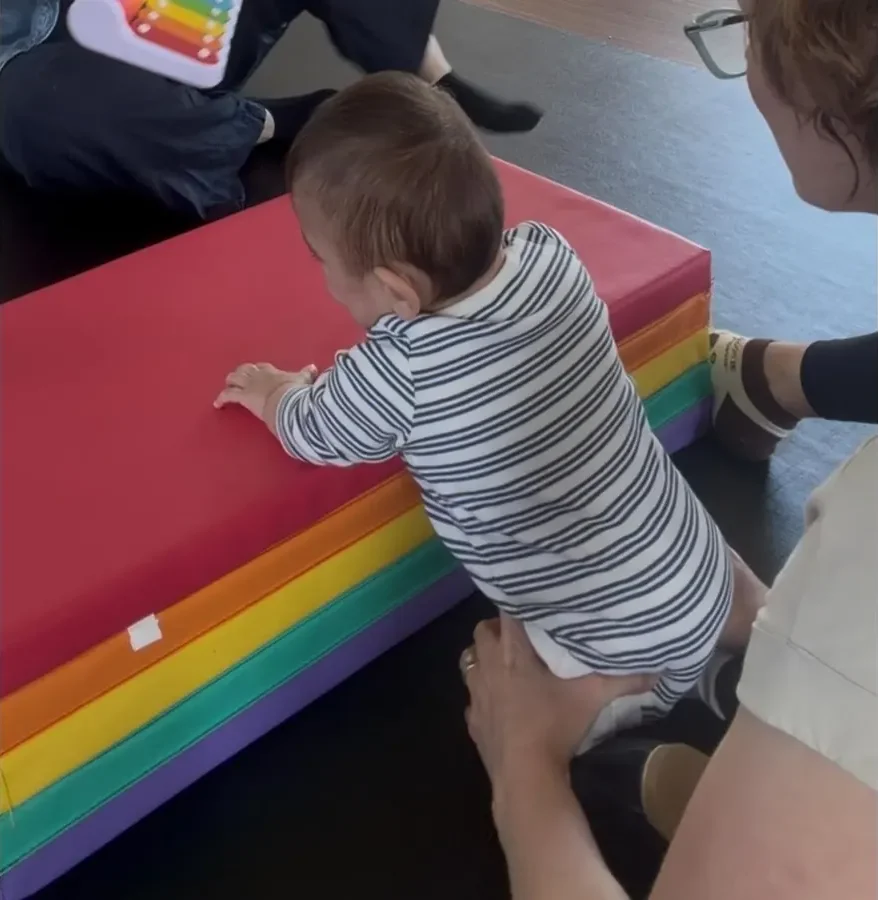
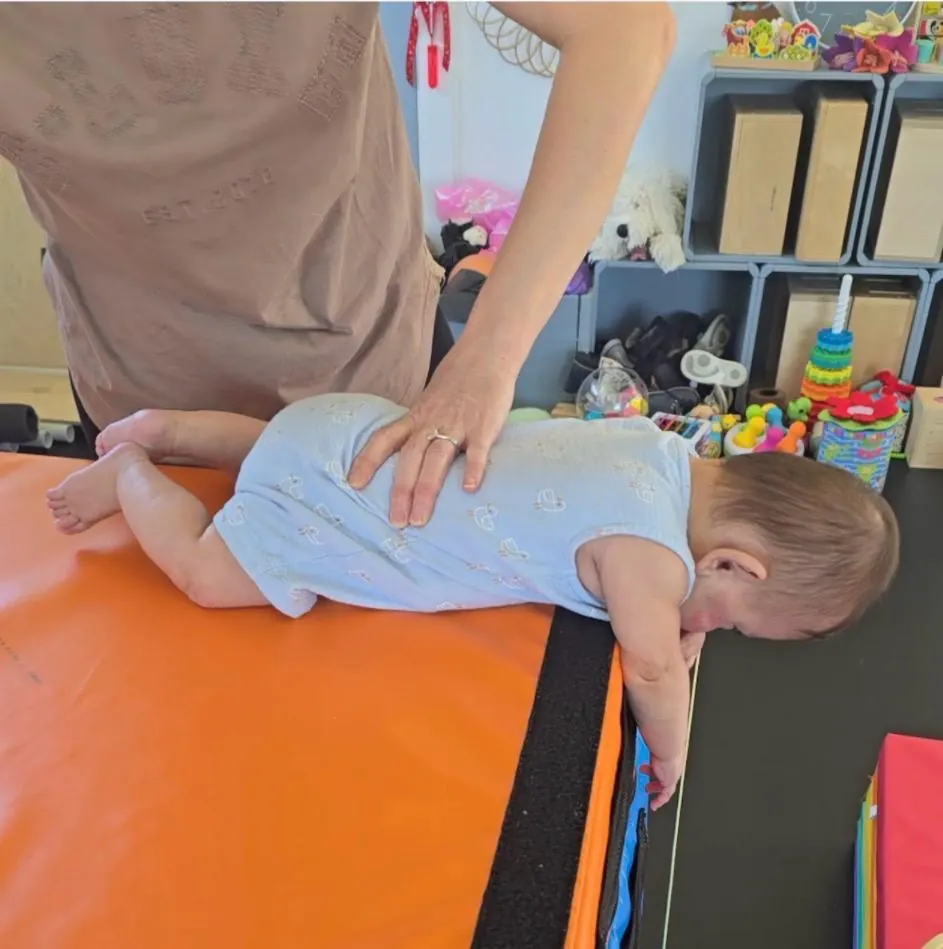
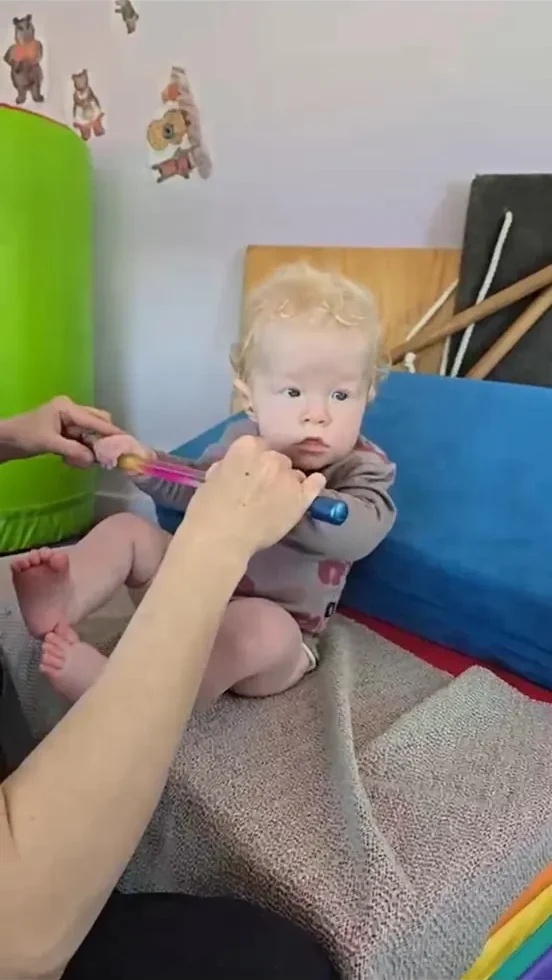
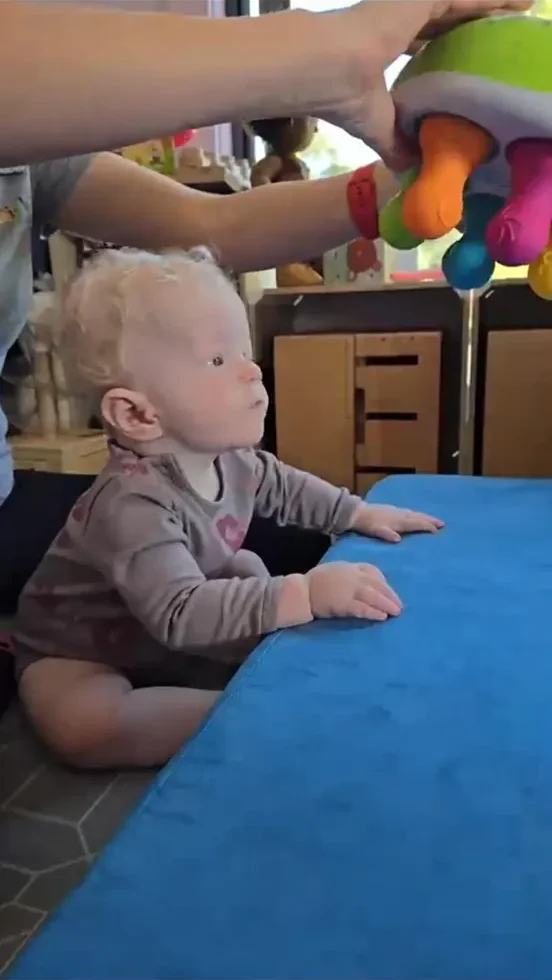
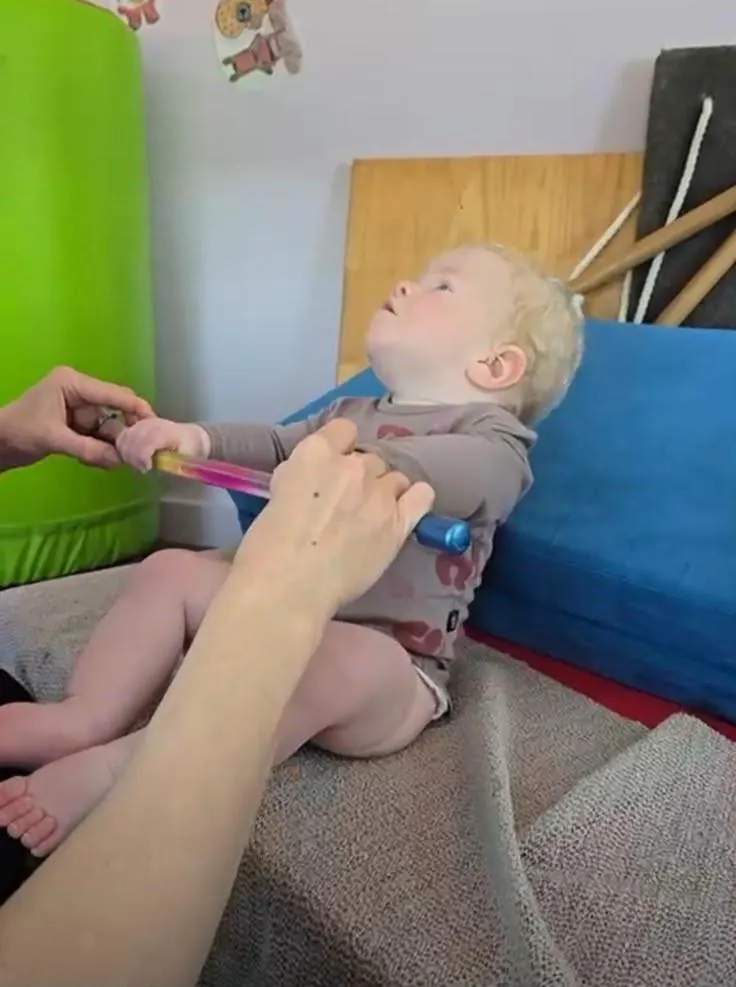
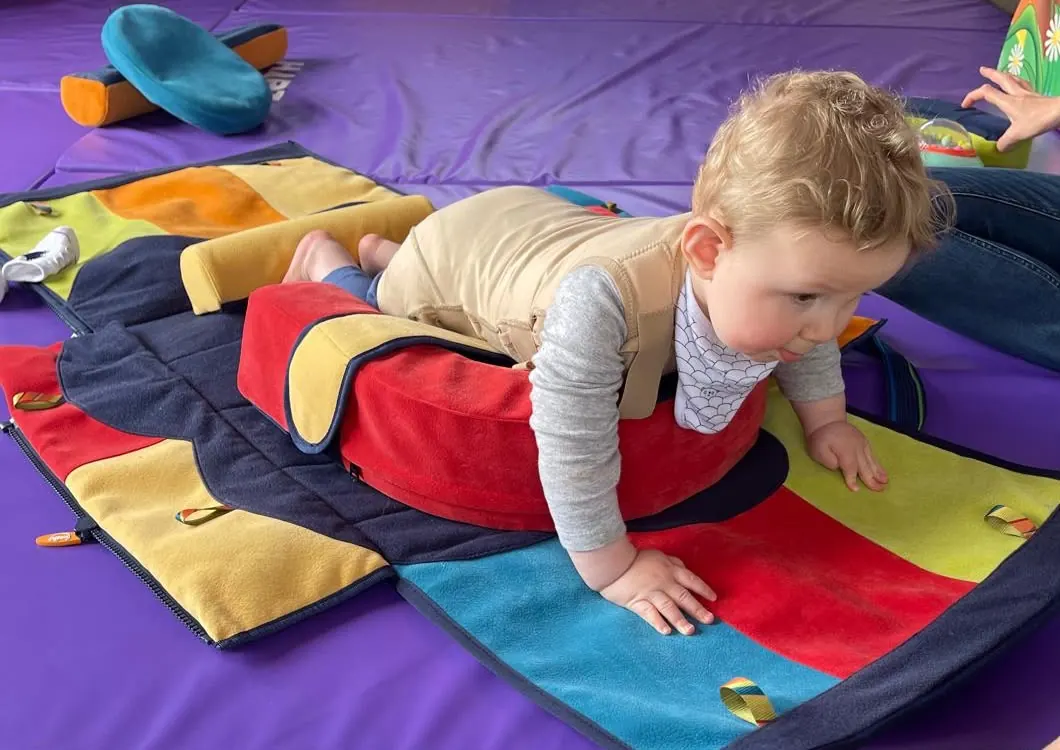
Early motor development, low muscle tone, prematurity and babies at risk of cerebral palsy.
DIR/Floortime, ESDM, Sensory-Based Therapy, Skills-Based Therapy (fine motor, writing, self-care skills, etc.), Parent Coaching.
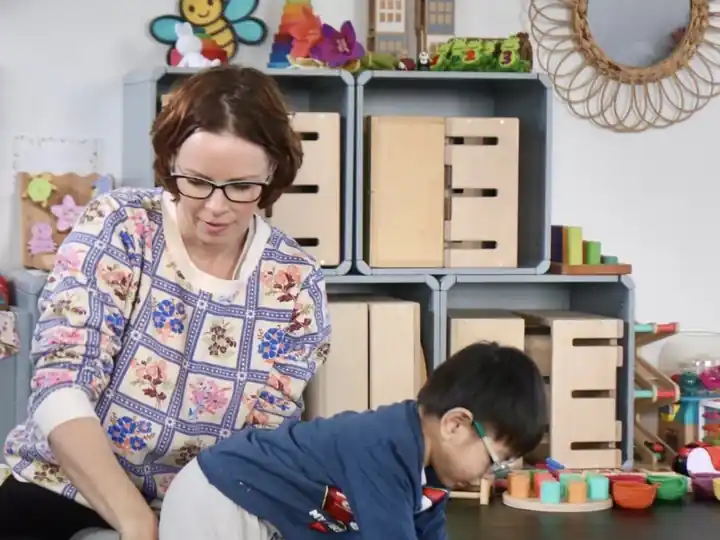
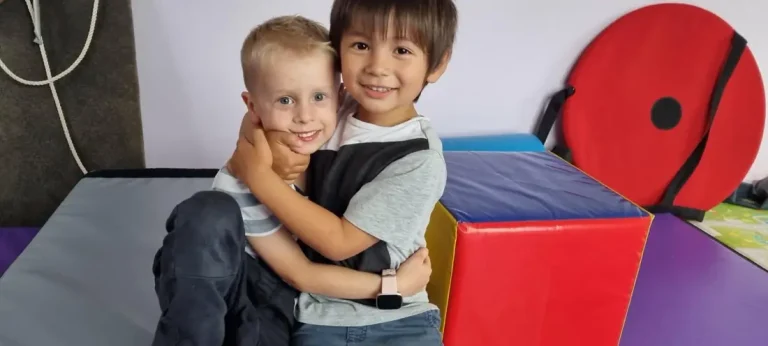
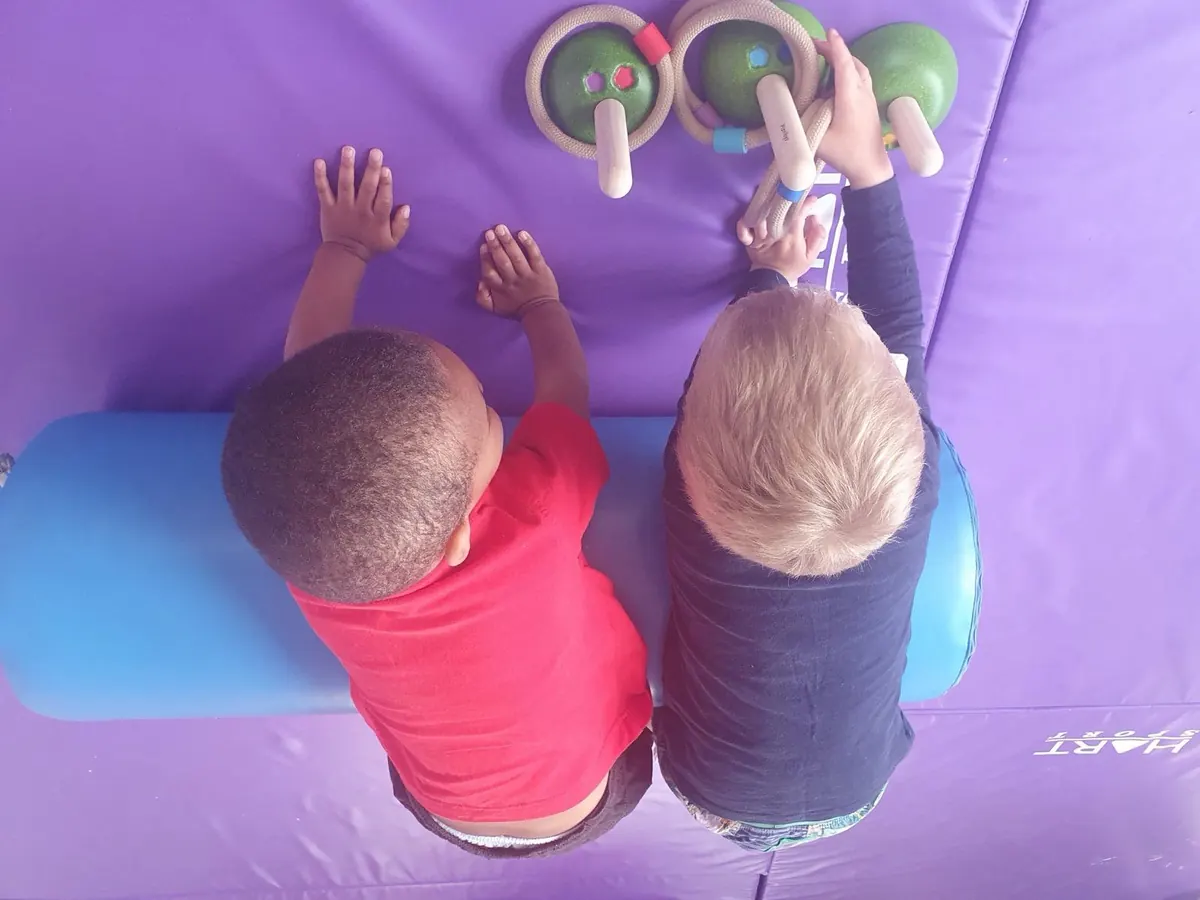
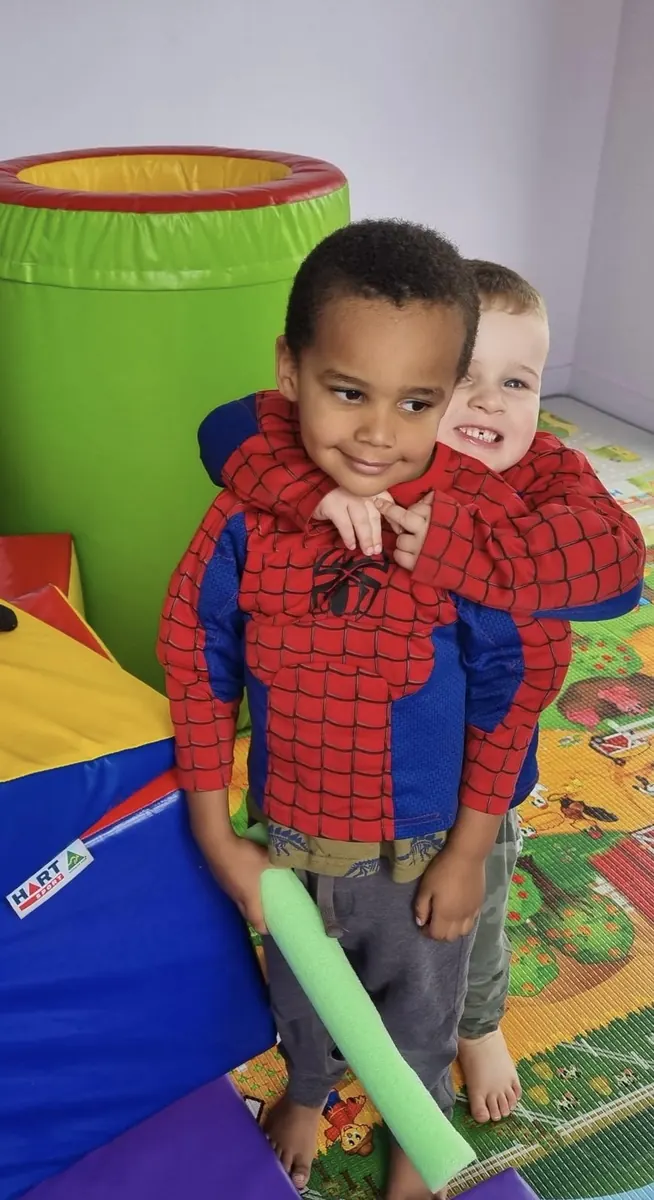
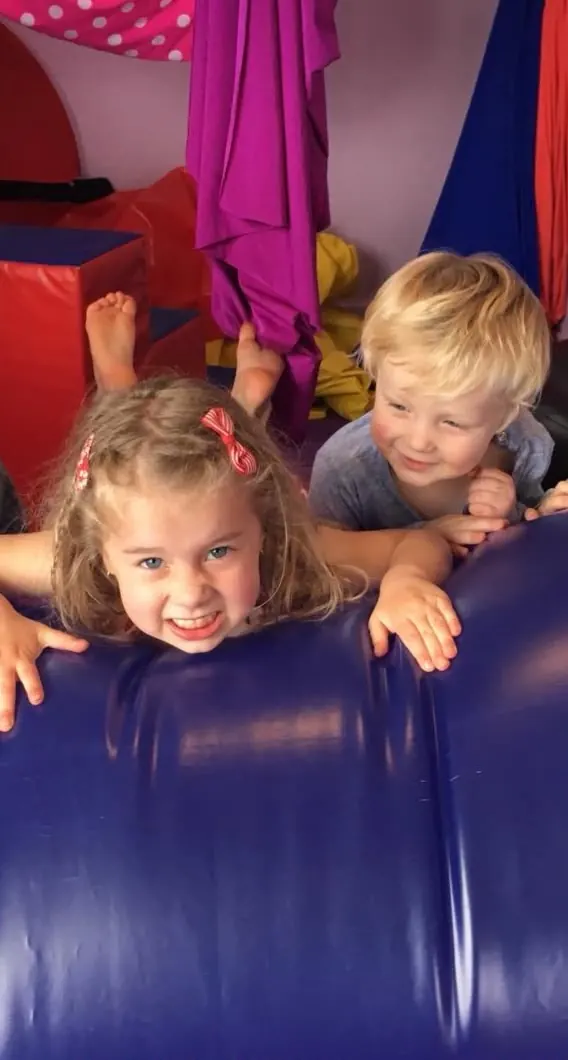
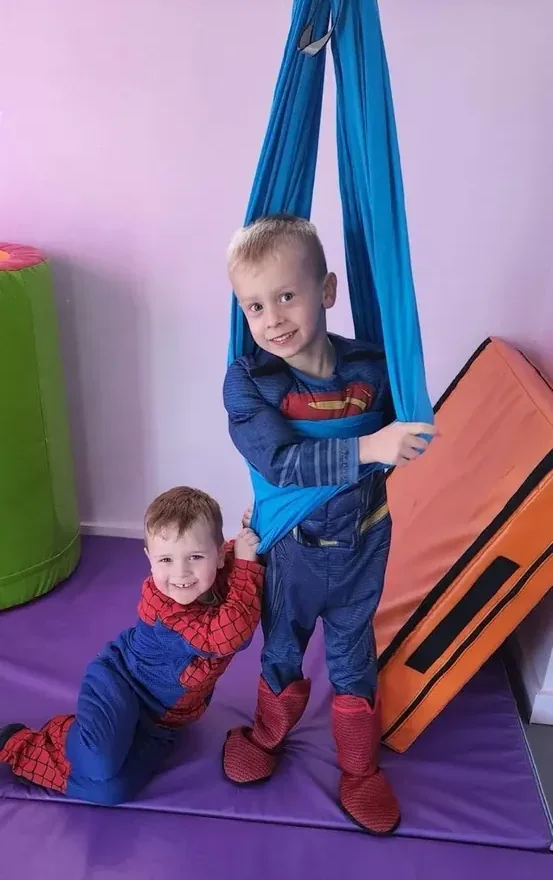
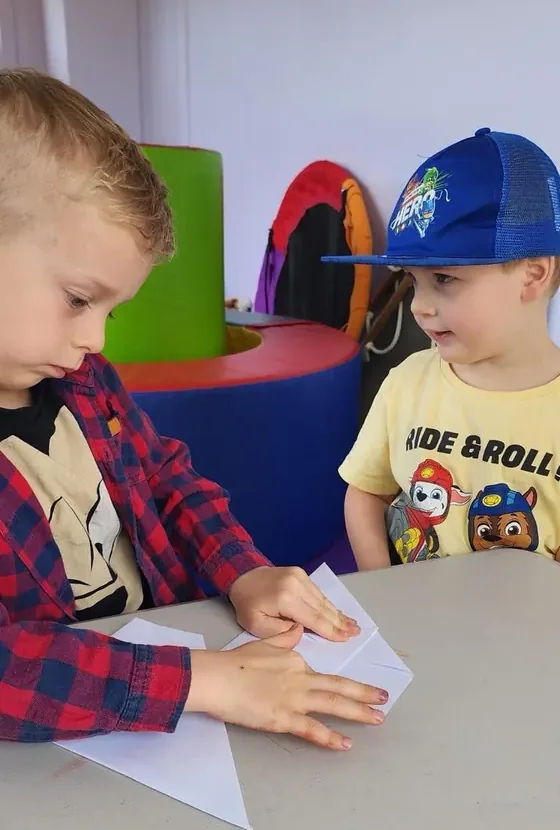
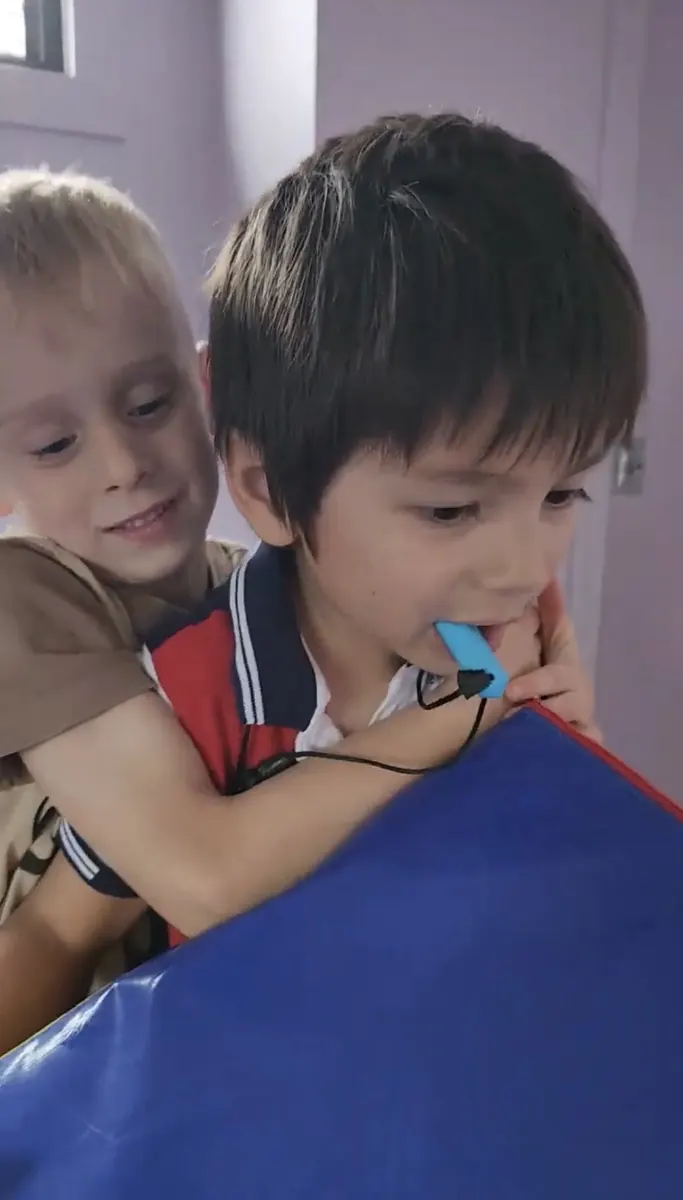
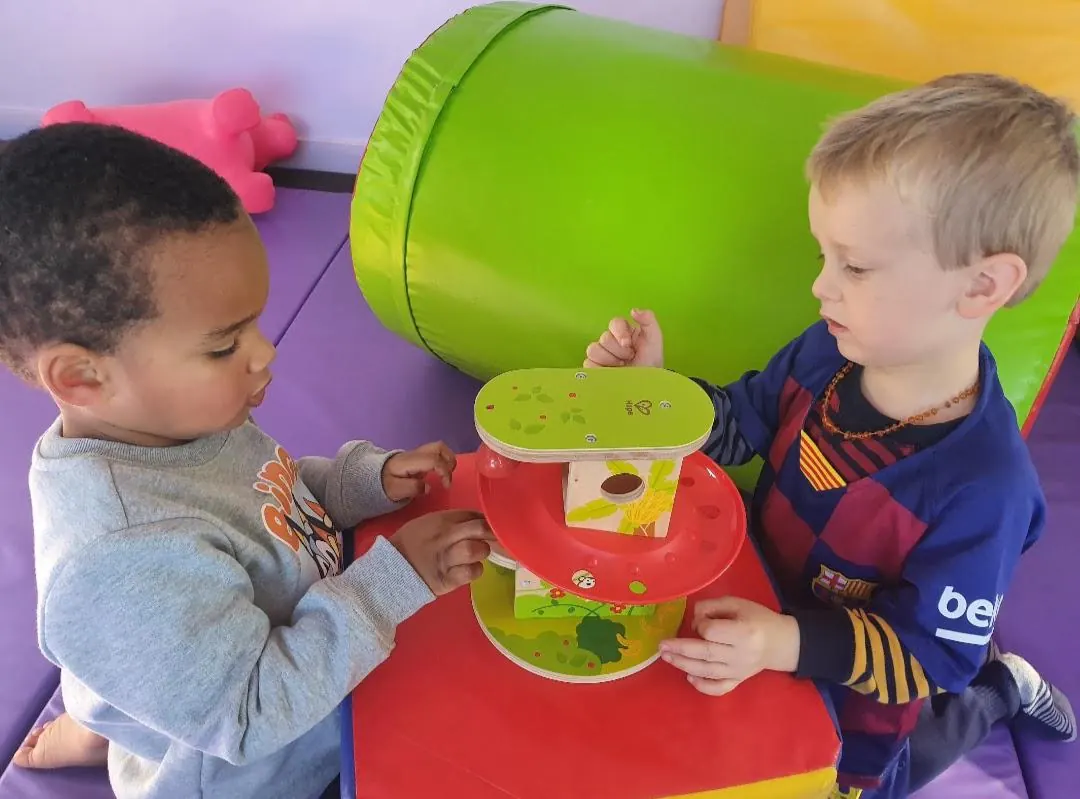
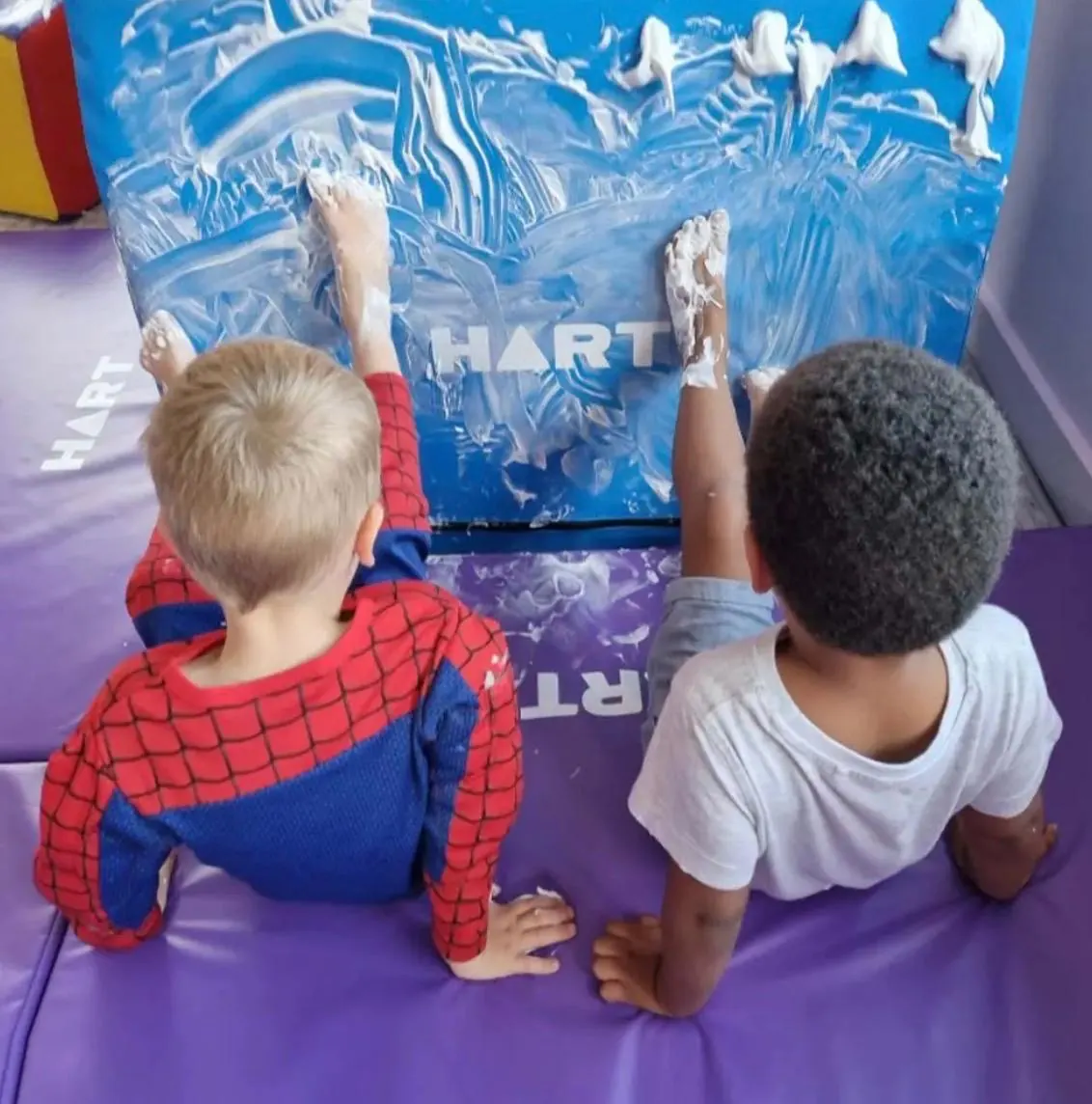
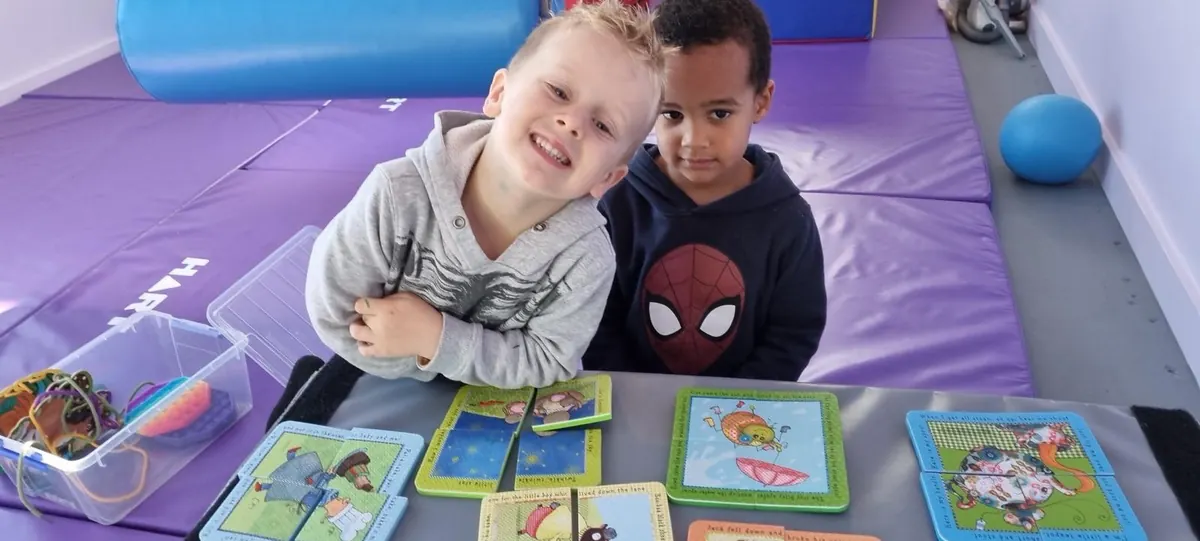
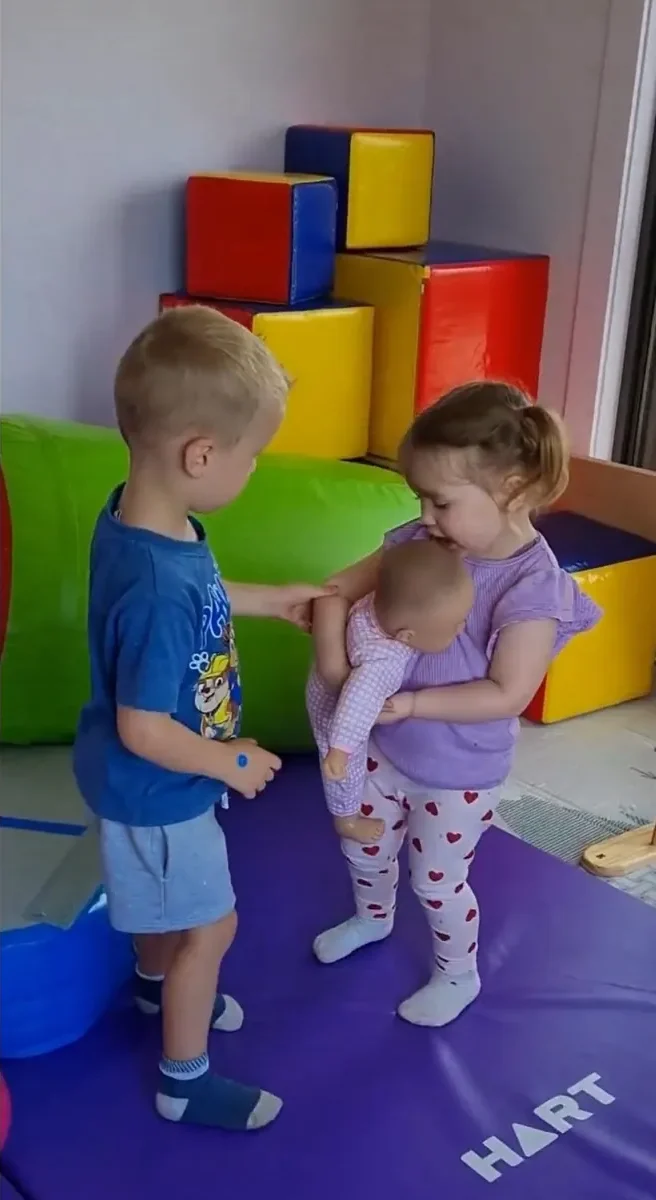
Two carefully matched children develop play and interaction skills together.
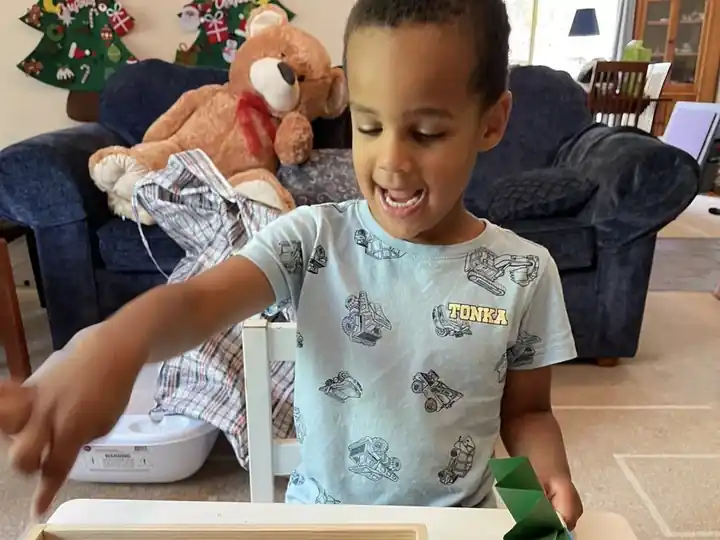
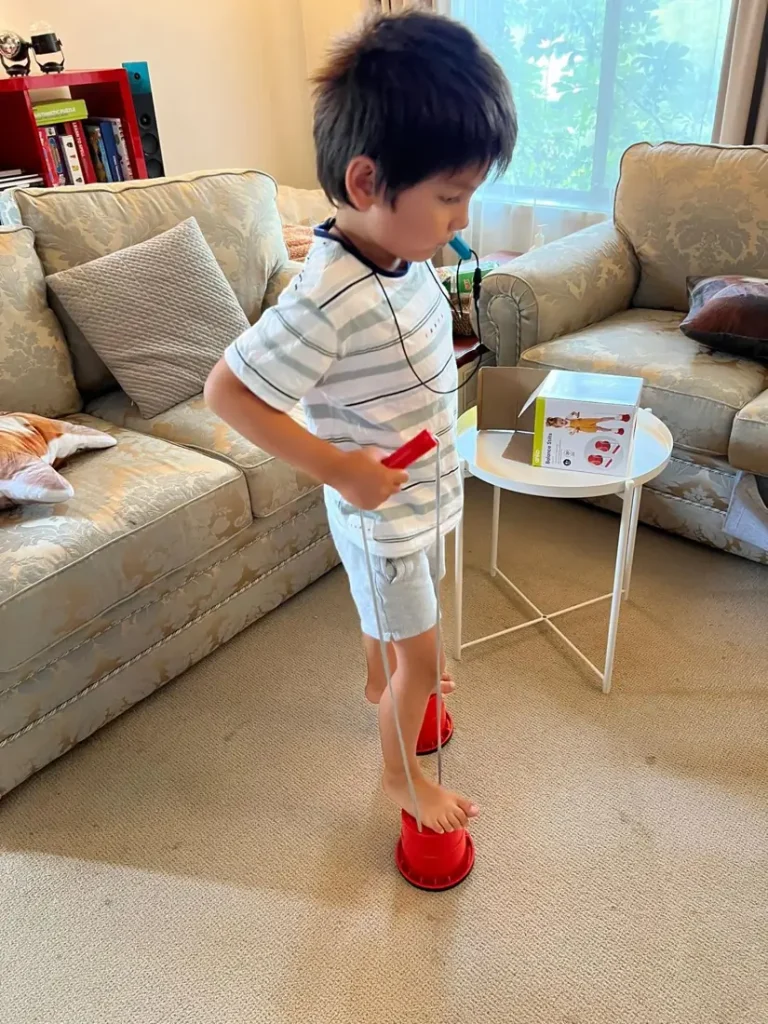
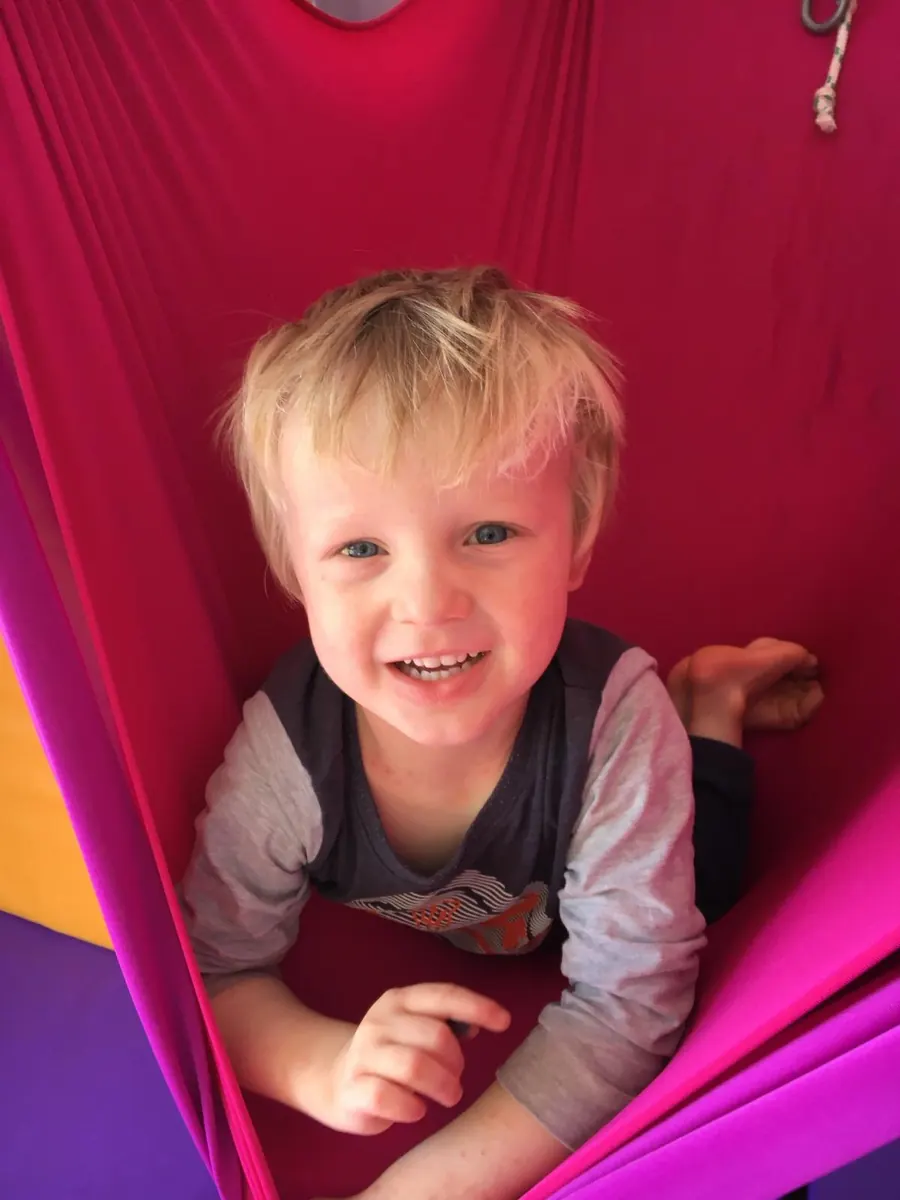
Supporting your child at home or preschool to develop new skills and use them confidently in everyday routines and activities.
Parent coaching sessions for families across Australia, as your child’s main therapy or alongside in-person sessions.
Sessions with a Registered Music Therapist to build communication and connection.
Many families come to us after a diagnosis or with a referral, and others come because something just doesn’t feel right about their baby or child’s development. Either way, we are here to support you wherever you are in your journey. If you’re unsure, start with Does my child need OT?
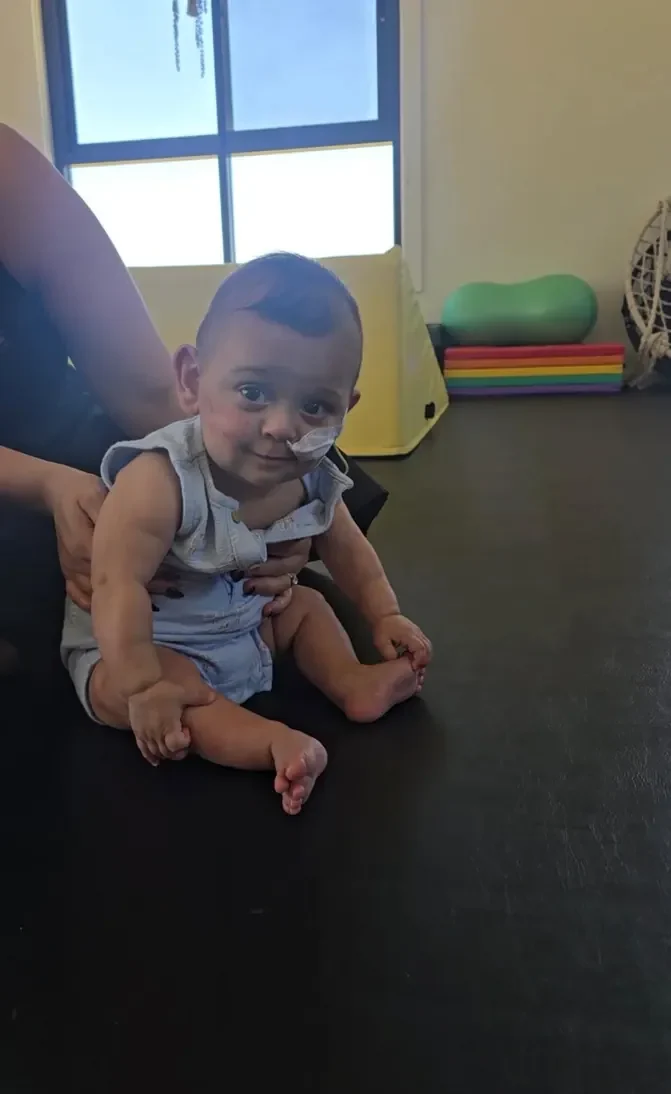
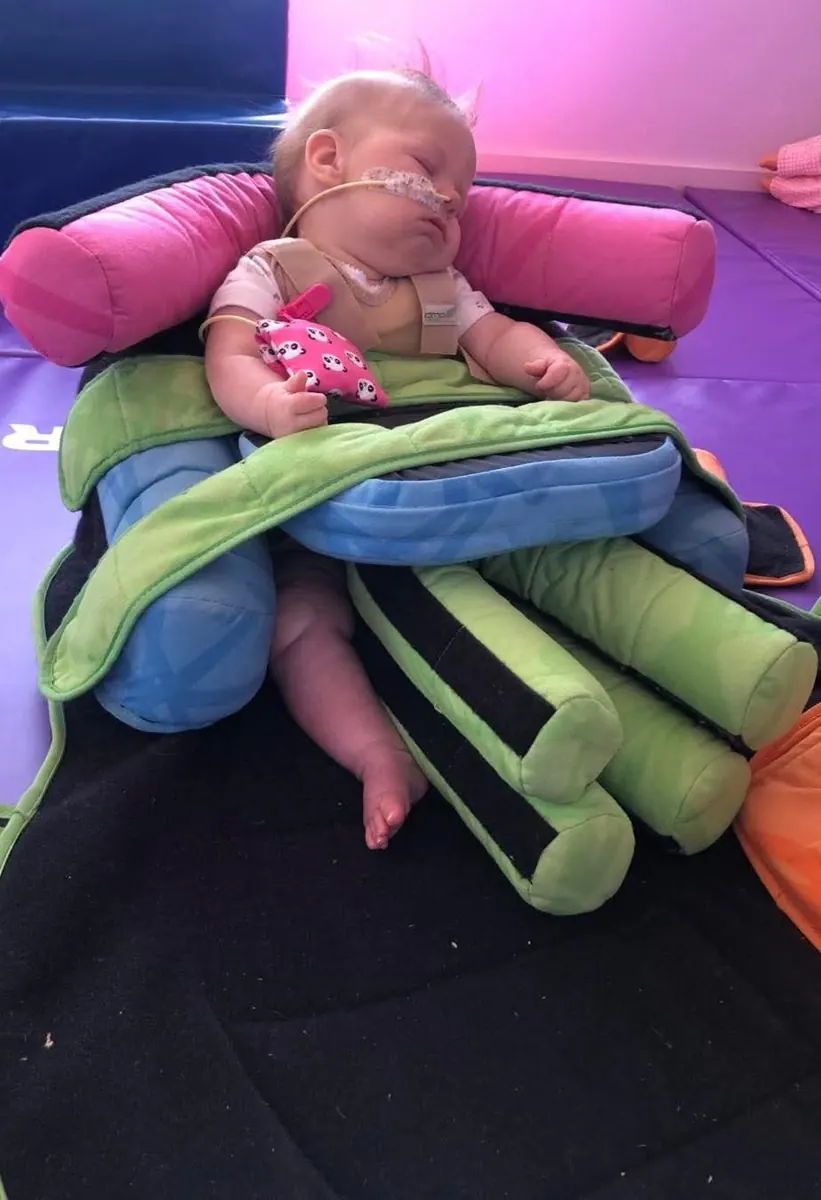
Supporting babies with diagnoses of genetic conditions, delays due to prematurity, early diagnoses of cerebral palsy, and babies at risk of or showing signs of autism.
Bimanual hand therapy, CIMT, NISE-Stim, LusioMATE, CME and DMI.
DIR/Floortime, ESDM, skills-based approach to therapy, understanding the child’s sensory profile, addressing regulation/behavioural concerns, building cognitive skills.
From the first conversation to regular progress reviews, you’re part of every decision.
We begin by understanding your concerns, your child’s history and what you’d like support with. Assessment includes play-based observation, discussion with you and formal assessments where appropriate.
We discuss the findings with you and choose priorities for therapy. Together, we consider the goals, approaches and type of sessions that best suit your child and family.
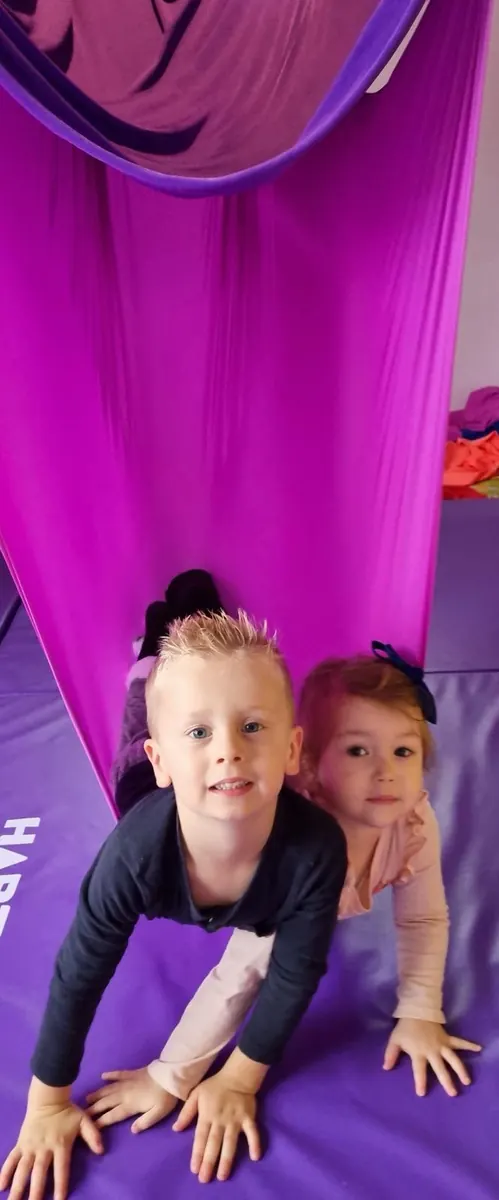
Your child attends sessions focused on their individual goals. Therapy may be weekly or twice weekly, with options for intensive blocks (intensives may focus on motor/sensory or socialisation/communication with peers). Therapy is in-clinic, mobile or telehealth, and often a combination of all three. Parent coaching and collaboration with educators and other therapists can also form part of the program.
We review what your child is doing, what’s becoming easier and where they still need support, and discuss your observations alongside what we’re seeing in therapy. We talk through pertinent topics like toilet training, sleep, regulation or managing sibling dynamics, and come together with you and your child’s educators for important discussions, including the transition to school, a Support Unit or SSP. We use this review to guide the next stage of therapy, whether that’s continuing current goals, choosing new priorities or adjusting the frequency or type of support.
A few details are enough to start. Kate will give you a call (or email, if that suits you better) to talk through assessment and next steps.
Phone: 0408 025 507
Email: kate@quickstepz.com.au